Surgical Insights & Knowledge Base

Surgical Instruments & Medical Blog

Discover expert technical articles, manufacturing guides, instrument maintenance tips, and clinical updates from Warsi Surgical Industries.

0%

Selecting the right Orthopedic Surgical Instruments requires more than comparing prices or product photographs. Global buyers must assess surgical function, material quality, manufacturing consistency, and supplier reliability. A bone lever, drill guide, or rongeur may look similar across catalogs. Its balance, grip, finish, and cutting performance can differ considerably.

This guide examines ten widely used instrument categories for orthopedic procedures. It considers stainless steel quality, corrosion resistance, ergonomic handling, cleaning access, and compatibility with established sterilization workflows. These details matter in real operating rooms, where instruments face repeated use, moisture, pressure, and strict inspection. A dependable supplier should also provide clear specifications, batch traceability, quality documentation, and responsive technical support.

Performance matters most.

However, no universal instrument list fits every hospital, surgeon, or procedure. Preferences may change with surgical technique, patient anatomy, local procurement rules, and available equipment. Some instruments may perform well in testing but feel less practical during a demanding procedure. That limitation deserves attention, not concealment. Buyers should request samples, review inspection records, and consult qualified orthopedic professionals before placing large orders.

The following overview offers a practical starting point for global purchasing teams. It focuses on evidence-based selection rather than attractive claims. Buyers can use these criteria to compare suppliers more carefully, reduce avoidable procurement risks, and support consistent surgical preparation. Reliable choices are built through verification, experience, and honest evaluation.
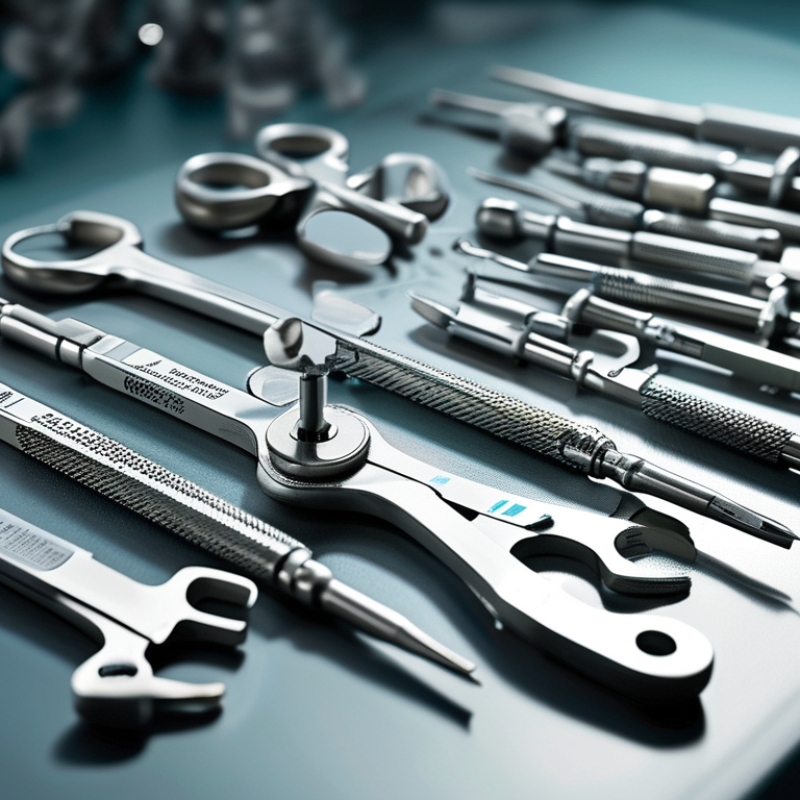
10 Best Orthopedic Surgical Instruments for Global Buyers?

What Orthopedic Surgical Instruments Are and Why They Matter

Orthopedic surgical instruments are specialized tools used to examine, cut, align, fix, and repair bones and joints. They include bone saws, drills, osteotomes, retractors, reduction forceps, clamps, and implant-handling instruments. Each tool has a precise purpose. A small mismatch in size or grip can affect control during a demanding procedure.

Their value extends beyond the operating table. Well-designed instruments support accurate positioning, stable fixation, and efficient tissue handling. Smooth surfaces help cleaning, while corrosion-resistant materials support repeated sterilization. For global buyers, documentation matters too. Material details, inspection records, sterilization guidance, and traceability can reduce purchasing risks. Local regulatory requirements should be checked before shipment, because accepted documentation differs between markets.

Look closely at the details. A forceps should close evenly. A drill guide should maintain alignment under pressure. Handles must remain comfortable during long procedures, even with surgical gloves. These points are learned through practical use, not only catalog descriptions. Training also matters, since unfamiliar instruments can slow a prepared team. A checklist helps, but it can still miss awkward handling or poor tray organization. That is where user feedback becomes valuable. Buyers should request samples, review cleaning compatibility, and confirm service support before placing large orders. Reliability is not just a polished finish.

How the Ten Essential Instrument Types Are Classified

10 Best Orthopedic Surgical Instruments for Global Buyers?

Orthopedic instruments are best classified by surgical function, not appearance. The ten essential types are cutting, grasping, holding, retracting, probing, measuring, drilling, sawing, fixation, and suction or irrigation. This structure helps global buyers compare complete sets and identify missing capabilities.

Cutting Cutting instruments shape bone and tissue.
Grasping Graspers handle fragments.
Holding Holders secure implants or wires.
Retracting Retractors maintain exposure around a joint.

Probes assess depth and surface condition. Measuring tools check angles, lengths, and implant positioning. Drills create controlled holes. Saws perform bone cuts. Fixation instruments guide screws, plates, pins, or wires. Suction and irrigation tools manage visibility and debris.

These categories reflect practical operating-room workflows, although some tools serve two functions. Classification is useful, but never perfect.

1.71 billion
The World Health Organization reports that about 1.71 billion people live with musculoskeletal conditions.
A 2024 Grand View Research analysis also forecasts continued growth in the orthopedic devices market through 2030, increasing demand for standardized instrument systems.

Buyers should still examine evidence, not only market forecasts.

Tip: Request corrosion-resistance data, sterilization instructions, dimensional tolerances, and instrument-tray compatibility. Test the grip with gloved hands. A small mismatch can slow a procedure. Also check whether local technicians can maintain hinges, cutting edges, and insulation. That practical detail is often overlooked.

Key Features and Uses of the Best Orthopedic Instruments

The 10 Best Orthopedic Surgical Instruments for Global Buyers should be judged by function, not appearance.

WHO reports that musculoskeletal conditions affect about 1.71 billion people worldwide. This demand makes reliable instrument selection essential.

A practical set includes bone saws, orthopedic drills, reamers, osteotomes, mallets, reduction forceps, retractors, rongeurs, depth gauges, and bone-holding forceps.

Each tool needs precise balance, corrosion resistance, and secure handling. Drills require stable torque and compatible bits.

Reamers need smooth cutting edges for controlled canal preparation. Retractors should provide exposure without excessive tissue pressure.

Instrument design also affects workflow.

Lightweight handles can reduce hand fatigue during long procedures. Clear depth markings improve measurement accuracy. Low-profile forceps may help in narrow surgical fields.

According to ISO 13485 principles, manufacturers should control design, production, and traceability through documented quality systems.

Cleaning matters equally. Hinged instruments need accessible joints, while powered tools require validated maintenance and sterilization procedures.

A universal set sounds efficient, but it is rarely perfect. Procedure-specific selection remains safer and more economical.

Tips:

Ask for material certificates, sterilization instructions, repair support, and compatibility data before purchasing. Request sample testing with surgeons and sterile-processing staff.

Check grip comfort with gloves. Do not judge quality from polish alone. A small alignment issue may become a serious operating-room problem.

Regular inspection should include blade sharpness, jaw closure, insulation, and measurement markings. WHO data guides the need, but local clinical experience should guide the final choice.

How Global Buyers Should Evaluate Quality and Compliance

Global buyers comparing the 10 best orthopedic surgical instruments need more than a polished catalog. Quality starts with measurable details, not attractive photographs. Examine bone saws, drills, retractors, forceps, osteotomes, rasps, screwdrivers, awls, curettes, and mallets closely. Check the alloy, surface finish, balance, joint movement, and connection strength. A smooth handle matters. Hinges should move without grinding or looseness. Cutting edges must remain precise after repeated cleaning and sterilization. Ask for material certificates, dimensional drawings, inspection records, and batch traceability. A supplier that answers vaguely deserves careful review.

Compliance requires equal attention. Request evidence of the manufacturer’s quality system, risk assessment, sterilization instructions, labeling controls, and post-market procedures. Requirements differ across importing countries, so one certificate may not satisfy every authority. Confirm product classification, language requirements, packaging integrity, and document validity before placing an order. Do not trust copied files. Verify issuing organizations and match certificate details with the actual factory and instrument models. No inspection method is perfect. Even experienced purchasing teams can overlook small changes in steel grade or packaging. Independent sampling and functional testing can expose those problems before hospital use. In practice, the safest decision often comes from transparent records, repeatable testing, and a supplier willing to discuss weaknesses rather than promise perfection.

10 Best Orthopedic Surgical Instruments for Global Buyers

How Global Buyers Should Evaluate Quality and Compliance

This example uses a transparent 10-point buyer-screening model. Each instrument category is assessed against commonly requested evidence, including material traceability, dimensional inspection, cleaning and sterilization instructions, packaging information, and applicable regulatory documentation. Buyers should verify requirements against the destination market and intended use.

Procurement, Maintenance, and Safe International Use

For global buyers, the ten best orthopedic instruments are not always the most expensive. A practical shortlist includes bone saws, surgical drills, reamers, osteotomes, rongeurs, forceps, retractors, depth gauges, torque drivers, and implant cutters. Procurement should begin with the intended procedure, not the catalogue image. Confirm material grade, sterilization compatibility, ergonomic grip, spare-part access, and service availability. The WHO’s 2022 Global Report on Infection Prevention and Control reports healthcare-associated infections in about 7% of acute-care patients in high-income countries and 15% in low- and middle-income countries. Reprocessing must therefore influence every purchase.

Maintenance needs written ownership. Inspect cutting edges, insulation, hinges, and locking mechanisms before each use. Powered drills need battery checks, torque verification, and documented calibration. Reusable instruments should follow the manufacturer’s validated cleaning and sterilization instructions, aligned with ISO 17664-1 principles. Keep serial numbers, lot records, repair dates, and sterilization logs. Small omissions matter. A damaged surface can hold biological residue. A rushed inspection can pass it forward. The U.S. FDA’s reprocessing guidance also stresses that cleaning is essential before disinfection or sterilization.

Tips: Ask suppliers for multilingual instructions, validation evidence, training materials, and replacement timelines. Check electrical specifications before importing powered systems. Confirm local registration, customs requirements, and hospital sterilizer capacity. Train users with real instruments, not slides alone. The Lancet Commission on Global Surgery estimated that about five billion people lack access to safe, affordable surgical care. That gap makes reliable tools valuable, but safe use depends on disciplined teams. One assumption often fails: the buyer may understand the instrument, while the end user does not.

10 Best Orthopedic Surgical Instruments for Global Buyers? - Procurement, Maintenance, and Safe International Use

No. Instrument Primary Orthopedic Application Typical Material Key Procurement Specifications Cleaning and Maintenance Common Sterilization Method International Safety Considerations Recommended Inspection Interval
1 Bone Rongeur Removal of small bone fragments and trimming of bone edges. Surgical stainless steel; some models use tungsten-carbide cutting inserts. Jaw size, cutting angle, bite capacity, handle ergonomics, and corrosion resistance. Open the jaws during cleaning; remove bone debris promptly; lubricate the hinge with a steam-sterilizable instrument lubricant. Moist-heat steam sterilization when validated for the instrument. Protect sharp jaws during transport; verify that the device is compatible with the destination facility's sterilizer cycle. Before each use; detailed functional check at least monthly.
2 Bone-Cutting Osteotome Controlled cutting, shaping, or removal of bone. Hardened surgical stainless steel. Blade width, straight or curved profile, edge geometry, hardness, and handle design. Inspect the cutting edge for chips, deformation, and corrosion; avoid abrasive cleaning that changes the edge geometry. Steam sterilization according to validated manufacturer instructions. Use a protective tip cover or rigid tray divider; do not transport loose with delicate instruments. Before each procedure; sharpen or replace when the edge is damaged or ineffective.
3 Orthopedic Mallet Striking osteotomes, impactors, and other orthopedic tools. Stainless steel head with silicone, polymer, or metal handle components. Head weight, balance, impact surface, handle grip, and resistance to repeated sterilization. Check the head-to-handle connection, impact face, cracks, and loose components; clean according to material compatibility. Steam sterilization only if all materials are validated for the selected cycle. Prevent impact damage to other instruments by using tray separators and securing the mallet during shipment. Before each use; inspect after any drop or abnormal impact.
4 Bone Lever or Hohmann Retractor Retraction and exposure of bone and soft tissue during orthopedic procedures. Surgical stainless steel. Blade width and depth, shaft length, atraumatic edges, rigidity, and handle comfort. Remove tissue residue from the blade-to-shaft transition; inspect for bending, burrs, and sharp unintended edges. Steam sterilization after thorough cleaning and drying. Choose sizes suitable for the intended procedure; protect blade tips and use corrosion-resistant packaging. Before each use and during scheduled tray audits.
5 Periosteal Elevator Elevation of periosteum and preparation of bone surfaces. Surgical stainless steel. Blade width, rounded or sharp profile, shaft length, grip, and surface finish. Clean immediately after use; inspect the working end for scratches, deformation, and residue. Validated steam sterilization cycle. Use protective sleeves or tray positioning to prevent the working end from damaging sterile packaging. Before each use; replace if the blade becomes bent or develops a burr.
6 Bone Drill and Reamer Set Creation and enlargement of bone holes or intramedullary canals. Stainless steel, with carbide or diamond-coated components for selected applications. Diameter range, flute geometry, shaft compatibility, concentricity, and heat resistance. Flush flutes and cannulations; remove biological material from internal channels; inspect for bending and dull edges. Steam sterilization only when validated; follow special instructions for powered or cannulated parts. Confirm connector compatibility, electrical requirements, and local safety rules for powered equipment. Before each use; verify sharpness and runout during routine instrument processing.
7 Depth Gauge Measurement of bone-hole depth for selecting screw length. Surgical stainless steel with graduated markings. Measurement range, scale readability, probe diameter, locking mechanism, and calibration documentation. Clean the probe and sliding mechanism; do not bend the measuring hook; verify smooth movement and legibility. Validated steam sterilization cycle. Protect the fine measuring tip; retain calibration or verification records where measurement accuracy is safety-critical. Before each use; documented accuracy verification at least annually or per facility policy.
8 Bone Holding Forceps Temporary stabilization and manipulation of bone fragments. Surgical stainless steel. Jaw shape, opening range, locking mechanism, grip pattern, and clamping force. Clean serrations and hinges thoroughly; lubricate moving joints; check alignment and locking action. Steam sterilization with the jaws open unless validated instructions specify otherwise. Prevent jaw damage by separating instruments; avoid excessive force beyond the intended bone size. Before each use; functional check during every processing cycle.
9 Reduction Forceps Approximation and temporary reduction of fracture fragments. Surgical stainless steel or titanium alloy for selected lightweight designs. Jaw configuration, working length, ratchet design, tip profile, and resistance to deformation. Remove blood and bone particles from ratchets and hinges; check jaw alignment, locking, and surface corrosion. Validated steam sterilization cycle with joints positioned for adequate exposure. Use a rigid instrument tray; verify that the forceps do not interfere with implants or imaging equipment. Before each use; replace if tips no longer align or locking force changes.
10 Screwdriver and Hexagonal Driver Set Insertion and removal of orthopedic fixation screws. Surgical stainless steel; some handles include autoclavable polymer components. Drive interface, shaft length, tip dimensions, handle type, torque compatibility, and corrosion resistance. Clean drive recesses and cannulations; inspect for rounding, wear, bending, and secure handle attachment. Steam sterilization when validated for the complete assembly. Match the driver precisely to the screw interface; use a calibrated torque-limiting device when required by the fixation system. Before each use; torque verification according to the facility's quality system.
Global procurement and safe-use checklist: Confirm product specifications, intended use, material composition, applicable regulatory documentation, sterilization instructions, packaging integrity, lot traceability, importer requirements, and after-sales maintenance support before purchase. Cleaning, disinfection, inspection, packaging, and sterilization must follow the instrument's validated instructions for use and the receiving healthcare facility's quality procedures.

FAQS

: What are orthopedic surgical instruments used for?

: They examine, cut, align, fix, and repair bones and joints. Precision matters.

Which instruments belong in a practical orthopedic set?

Common tools include bone saws, drills, reamers, osteotomes, mallets, retractors, and reduction forceps. Each tool serves a specific task.

What should buyers check in a bone drill?

Check torque stability, compatible bits, alignment, grip comfort, and maintenance requirements. Small movement can matter.

How should orthopedic instruments feel during use?

Handles should remain comfortable with surgical gloves during long procedures. Grip comfort affects control.

Why are materials and surface quality important?

Corrosion-resistant materials support repeated sterilization. Smooth surfaces can simplify cleaning. Polish alone proves little.

What details should buyers request before ordering?

Request material certificates, inspection records, sterilization guidance, compatibility data, and traceability documents. Documentation reduces purchasing risks.

Should buyers choose one universal instrument set?

Not always. Procedure-specific sets may improve safety, workflow, and cost control. Universal is not perfect.

How can instruments be tested before a large purchase?

Request samples and test them with surgeons and sterile-processing staff. Check grip, alignment, cleaning, and tray organization.

What inspections should be performed regularly?

Inspect blade sharpness, jaw closure, insulation, hinges, depth markings, and powered-tool maintenance. Check the small details.

Why is training important for new instruments?

Unfamiliar tools may slow a prepared team. Practical training can reveal awkward handling that catalogs cannot show.

Conclusion

Orthopedic Surgical Instruments are specialized tools designed to support bone, joint, and musculoskeletal procedures with accuracy, stability, and patient safety. This guide introduces ten essential instrument types, including cutting, grasping, holding, retracting, drilling, measuring, and fixation instruments. It explains how these categories differ, what features make them effective, and how each type contributes to common orthopedic operations. Understanding their functions helps hospitals, distributors, and surgical teams select suitable equipment for different clinical needs.

For global buyers, quality evaluation should include material strength, precision, corrosion resistance, ergonomic design, sterilization compatibility, packaging, traceability, and applicable regulatory documentation. The article also highlights practical considerations such as supplier communication, product inspection, inventory planning, maintenance, cleaning, sterilization, storage, and safe international transportation. By combining technical performance with compliance and lifecycle management, buyers can make informed procurement decisions, reduce operational risks, and support reliable surgical care across different healthcare environments.

Clara

Clara

Clara is a dedicated marketing professional with a strong understanding of customer needs, market trends, and the practical value of high-quality products. As a key member of our team, she combines strategic thinking with clear, engaging communication to help readers make informed decisions. Her......