Surgical Instruments & Medical Blog
Discover expert technical articles, manufacturing guides, instrument maintenance tips, and clinical updates from Warsi Surgical Industries.
Bone Chisels and Osteotomes are precision instruments used to cut, shape, or remove bone in surgical settings. Their performance depends on more than a sharp edge. Handle balance, tip geometry, material consistency, and finish can all affect control. Small differences matter when an instrument meets dense bone or must work within a narrow field.
This guide introduces ten manufacturers in China and the product details buyers can compare. Surgeon and author Atul Gawande wrote, “Better is possible. It does not take genius. It takes diligence.” His words address surgical practice broadly, not bone instruments specifically. Still, they offer a useful reminder: careful evaluation matters. A polished catalog is not enough.
Look closely at available sizes, construction details, customization options, quality documentation, and the clarity of technical support. Ask how specifications are verified, and whether sample instruments can be assessed before a larger order. Check the details. Manufacturer rankings can also vary with intended use, procurement needs, and the evidence available. This overview is a starting point, not a substitute for clinical judgment or independent product assessment. Some information may be difficult to compare across suppliers; that limitation deserves attention, not a confident guess.
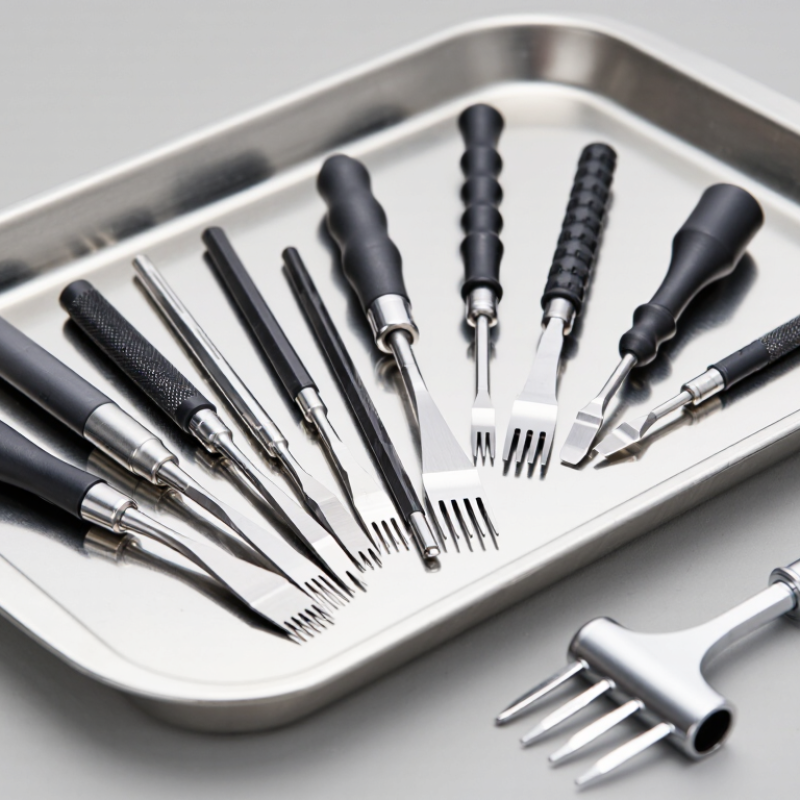
Bone Chisels and Osteotomes: Definitions, Designs, and Surgical Uses
Bone chisels and osteotomes are hand instruments used to cut, shape, or separate bone. A chisel commonly has a beveled cutting edge and a handle designed for controlled mallet strikes. An osteotome may have a similar profile, but its edge and shaft are often shaped for more precise bone division or contouring. The distinction is useful, but not absolute; clinical terminology can vary. Small details matter. A straight blade suits accessible surfaces, while angled or curved designs can help reach confined areas. Blade width also affects how force is distributed across bone.
In surgery, these instruments may support bone reshaping, graft preparation, or carefully planned cuts, depending on the procedure and the surgeon’s technique. A broad edge can remove material efficiently, while a narrow edge allows more localized work. Tactile feedback matters: the surgeon must judge resistance rather than rely on force alone. Before use, instruments should be checked for edge damage, secure assembly, and appropriate processing. Even a well-designed tool cannot replace anatomical knowledge or careful planning. A clean cut on a workbench does not guarantee the same control in living tissue, and that limitation deserves attention.
China Top 10 Bone Chisels and Osteotomes Manufacturers - Bone Chisels and Osteotomes: Definitions, Designs, and Surgical Uses
Representative bone chisel and osteotome instrument types commonly found in surgical catalogs. This is a product overview, not a ranking of manufacturers; exact dimensions, materials, and intended uses vary by model and manufacturer.
| No. | Instrument type | Definition and design | Typical surgical uses | Common specification options |
|---|---|---|---|---|
| 1 | Straight bone chisel | A straight, sharp-edged instrument, commonly with a single bevel and a handle designed for controlled hand pressure or mallet impact. | Cutting or shaping accessible bone during orthopedic procedures. | Available in different blade widths, lengths, and handle forms; dimensions depend on the model. |
| 2 | Curved bone chisel | A chisel with a curved blade or shaft intended to approach bone along a curved or less direct path. | Contouring or removing bone where the operative approach benefits from a curved working profile. | Curvature, blade width, and overall length vary across patterns. |
| 3 | Gouge chisel | A chisel with a concave, trough-shaped cutting edge designed to remove bone in a channel or scooping cut. | Creating or enlarging grooves and removing bone in selected orthopedic procedures. | Supplied in different trough widths, depths, and straight or curved patterns. |
| 4 | Flat osteotome | A flat, sharp-edged instrument used to divide or mobilize bone; the edge and bevel geometry depend on the intended application. | Bone splitting, controlled cuts, or preparation of a bone surface in applicable procedures. | Widths, lengths, and bevel orientations vary by design and specialty. |
| 5 | Angled osteotome | An osteotome with an angled blade or neck that changes the approach between the handle and cutting edge. | Accessing or preparing bone when a straight instrument would provide a less suitable working angle. | Angle, blade width, and left- or right-oriented patterns are model-specific. |
| 6 | Slotted osteotome | An osteotome with a longitudinal slot or channel in the blade, intended to accommodate a guide or related system component in compatible designs. | Guided bone cutting or preparation when used with a compatible surgical system. | Slot dimensions and instrument compatibility must be checked against the specific system. |
| 7 | Periodontal chisel | A narrow dental instrument with a cutting edge shaped for work around teeth and alveolar bone. | Selected periodontal procedures, including bone contouring; use depends on the instrument pattern and clinical indication. | Narrow blade widths and specialized shank or handle configurations are common. |
| 8 | Dental sinus-lift osteotome | A dental osteotome designed for controlled work in the posterior maxilla; some systems use graduated or concave working ends. | Selected crestal sinus-floor elevation techniques, when appropriate to the treatment plan and system instructions. | Tip shape, diameter, and depth markings vary; markings are not interchangeable across systems. |
| 9 | Thin-blade osteotome | An osteotome with a relatively narrow, thin working blade intended for more localized bone separation or shaping. | Fine or confined bone work in procedures for which the selected blade profile is suitable. | Blade thickness, width, and edge profile are specified by the individual product. |
| 10 | Wide-blade osteotome | An osteotome with a broader cutting edge than narrow-pattern instruments, providing a wider contact area. | Broader bone cuts or surface preparation where the procedure and access permit its use. | Blade width, thickness, and overall length vary; select according to the procedure and product instructions. |
Note: Bone chisels and osteotomes are supplied in different materials and finishes. Confirm the intended use, dimensions, compatibility, and reprocessing instructions in the manufacturer’s product documentation before clinical use.
FAQS
Both can cut, shape, or separate bone. A chisel often has a beveled edge for controlled mallet strikes. An osteotome may be shaped for more precise division or contouring. The terms can overlap.
Straight blades suit accessible surfaces. Angled or curved blades can reach confined areas. A broad edge distributes force across more bone; a narrow one supports localized work. Small differences matter.
Depending on the procedure, they may help reshape bone, prepare grafts, or make planned cuts. Tactile feedback matters. Force alone is not a guide.
Check for edge damage, secure assembly, and appropriate processing. A clean-looking instrument is not enough. Living tissue is less predictable than a workbench.
It indicates a quality-management system within a stated scope. Buyers should check the issuing body and certificate validity. It does not prove every instrument meets specifications.
Request the exact steel grade, material test documents, and inspection records. Compare these with the applicable material specification. Paperwork can still leave gaps.
A finished instrument should link to its steel batch and production records. These should cover heat treatment, machining, inspection, and release. Check that the sample’s lot number matches its records.
Review controlled drawings, approved samples, and tolerances for blade width, handle dimensions, and finish. Compare actual lead-time history, packaging checks, and shipment records. Prototypes can look excellent, yet later batches may vary.
Conclusion
This article introduces Bone Chisels and Osteotomes, explaining how their designs and cutting edges support different surgical tasks. It outlines key instrument specifications, including suitable stainless-steel grades, edge geometry, durability, and compatibility with repeated steam sterilization at 134°C. Readers will also find an overview of China’s leading manufacturers, organized by product range and areas of specialization, without focusing on individual brand names.
To help buyers assess suppliers, the article discusses quality systems and documentation, including ISO 13485, ISO 7153-1, and traceability practices. It also compares manufacturers according to quality-control procedures, customization options, and export readiness. Together, these topics provide a practical framework for evaluating instruments and suppliers based on product requirements, manufacturing consistency, and the information needed for an informed procurement decision.