Surgical Insights & Knowledge Base

Surgical Instruments & Medical Blog

Discover expert technical articles, manufacturing guides, instrument maintenance tips, and clinical updates from Warsi Surgical Industries.

0%

Choosing Hand and Foot Surgery Instruments requires more than comparing prices or counting pieces. Each tool should match the procedure, anatomy, and surgeon’s working technique. In hand surgery, delicate forceps need controlled grip and precise tips. Foot procedures may demand stronger bone instruments, stable retractors, and dependable cutting edges. Small design choices matter. A knurled handle can improve control when gloves become damp. Balanced weight may reduce fatigue during a lengthy reconstruction. However, a familiar instrument can feel safer than a newer design, even when specifications look better. That preference deserves examination, not automatic acceptance.

Reliable selection begins with evidence from experienced clinicians, sterilization teams, and reputable manufacturers. Review material quality, joint construction, tip alignment, corrosion resistance, and compatibility with the facility’s reprocessing system. Reusable instruments should withstand validated cleaning and sterilization cycles without losing function. Disposable options require clear indications, secure packaging, and consistent availability. Ask for inspection guidance and service support. Clinical trials and peer feedback can reveal handling problems that catalogs rarely show. Still, no universal set fits every surgeon or patient. Even careful recommendations may overlook hand size, operating-room layout, or unusual anatomy. That is where practical evaluation helps. Test grip, visibility, movement, and maintenance before standardizing a tray. A perfect checklist is unlikely. Thoughtful review remains essential.
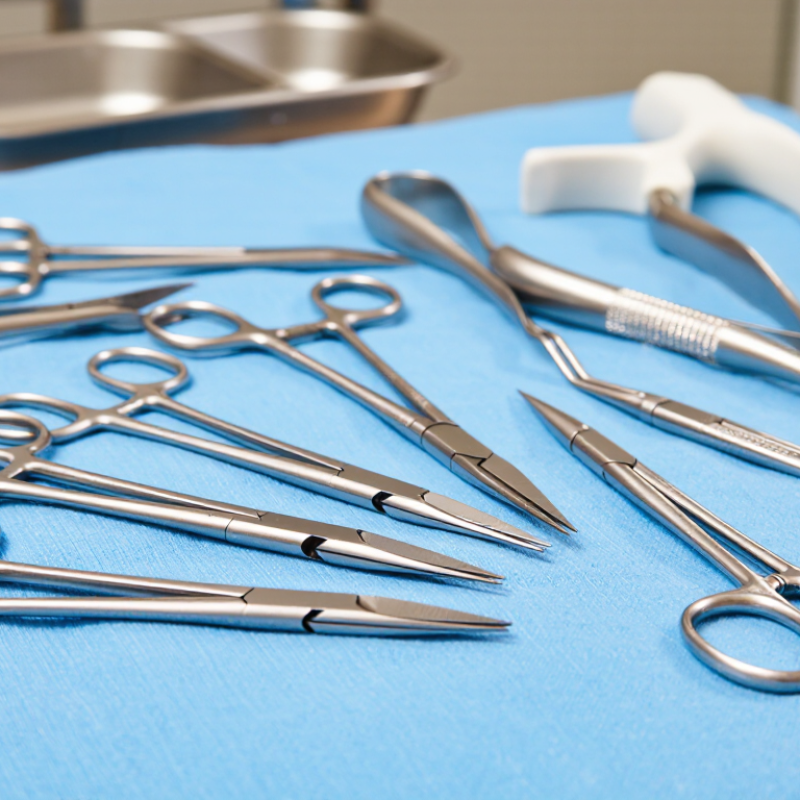
How to Choose the Best Hand and Foot Surgery Instruments

Define the Clinical Requirements for Hand and Foot Surgery Instruments

How to Choose the Best Hand and Foot Surgery Instruments

Define the Clinical Requirements for Hand and Foot Surgery Instruments

Instrument selection should begin with the procedure, not the catalog. A tendon repair, fracture fixation, and nerve decompression need different levels of control. Define the target tissue, surgical approach, incision size, and expected force before choosing instruments. Small anatomy demands precision. It does not always demand the smallest instrument.

Evaluate the operative environment carefully. Hand surgery often requires fine tips, smooth jaws, and dependable tactile feedback. Foot surgery may require longer shafts, stronger bone-holding capacity, and improved access around bulky anatomy. Check whether the handles remain comfortable during lengthy procedures. Wet gloves can expose weak grip designs. That detail is easy to miss.

That detail is easy to miss.

Clinical requirements also include patient safety and workflow. Instruments should support clear visualization without unnecessary tissue pressure. Their materials must tolerate the facility’s cleaning and sterilization process. Confirm joint alignment, jaw closure, insulation, and tip integrity before use.

A loose hinge is not a minor inconvenience. It can reduce control at a critical moment.

Standardized measurements help teams compare instruments objectively. Record working length, tip width, jaw angle, handle type, and intended tissue use. Ask surgeons and operating-room staff to test representative instruments together. Preferences can conflict. A familiar tool may still create hand fatigue or poor access. Perfect sets rarely exist, so review performance after each procedure and revise the selection when evidence shows a better option.

Compare Instrument Materials, Designs, and Surgical Performance

Choosing hand and foot surgery instruments requires more than comparing prices or polished surfaces. Material affects weight, durability, corrosion resistance, and tactile control. Surgical-grade stainless steel offers dependable strength and withstands repeated sterilization when properly maintained. Titanium is lighter and highly corrosion resistant, but its lower stiffness may change handling during precise work. Tungsten carbide inserts can improve cutting performance, yet they require careful inspection for chipping.

Design matters in narrow operative fields. Slim shafts can improve access around small joints, while balanced handles reduce unnecessary wrist strain. Fine, atraumatic jaws should meet evenly without crushing delicate tissue. Locking mechanisms must engage smoothly and release without sudden movement. Small details matter. A slightly stiff hinge can reduce control during repetitive procedures.

Surgical performance should be assessed through grip comfort, jaw alignment, cutting consistency, and resistance to corrosion after validated sterilization cycles. Experienced teams should test instruments with gloves, because a comfortable handle without gloves may feel different in practice. Inspect lighting, surface finish, and joint movement before every procedure. A bright finish can look reassuring, but it does not prove reliable function. Titanium may feel easier to handle, yet some surgeons prefer the firmer feedback of steel. No design suits every hand. Instrument selection should reflect procedure type, surgeon technique, cleaning resources, and documented quality testing. Even careful choices need review after real clinical use.

Assess Precision, Ergonomics, Sterilization, and Handling Safety

Choosing hand and foot surgery instruments requires more than checking sharpness. Precision depends on balanced jaws, stable hinges, and smooth alignment under magnification. A handle that feels secure with wet gloves can reduce unnecessary finger pressure. Ergonomics also protects the clinician. The U.S. Bureau of Labor Statistics recorded 54,700 musculoskeletal disorder cases in healthcare and social assistance during 2022. That figure supports careful attention to grip diameter, weight, and repeated wrist movement. Small design differences become noticeable during long procedures.

Sterilization must be assessed before purchase. Confirm that each instrument supports the facility’s validated cleaning and sterilization process. CDC guidance identifies steam sterilization as the preferred method for heat-stable critical devices. ISO 17664 also requires manufacturers to provide processing instructions. Look for clear guidance on disassembly, drying, inspection, and packaging. Hidden joints can retain tissue or moisture. That risk is easy to underestimate. Safety also includes handling after sterilization. Textured grips, secure ratchets, and visible locking positions can reduce accidental slips. AAMI ST79 recommends documented quality controls for steam sterilization, not informal visual checks alone.

Tips: Test instruments with gloves before ordering. Compare grip comfort after ten minutes. Inspect the hinge under bright light. Ask whether every component can be cleaned and tracked. Do not trust a perfect first impression. It may change after repeated cycles.

How to Choose the Best Hand and Foot Surgery Instruments

Suggested evaluation weighting for precision, ergonomics, sterilization, and handling safety.

Precision and repeatable control receive the greatest emphasis because accurate manipulation is essential in hand and foot procedures. Ergonomics and sterilization readiness should be assessed alongside handling safety, including grip stability, cleaning access, corrosion resistance, and compatibility with validated reprocessing instructions. The percentages represent an example decision framework rather than clinical performance claims.

Match Instruments to Procedures, Anatomy, and Operating Conditions

Choosing hand and foot surgery instruments starts with the procedure, not the catalog. A fine forceps may suit tendon work, while a stronger grasping tool may be safer for dense tissue. Bone procedures demand cutters, drills, or saws matched to bone thickness and access. Small joints need narrow profiles and controlled tips. Oversized instruments can obstruct the field and damage nearby structures.

Anatomy changes the choice. Fingers have limited working space, so slim instruments improve visibility and reduce unnecessary pressure. Foot surgery often requires longer shafts, stronger handles, and stable control around thicker tissue. Consider the patient’s age, bone quality, skin condition, and previous surgery. Instrument balance matters too. A handle that feels comfortable during a short procedure may cause fatigue during extended fixation.

Operating conditions also influence selection. In a deep wound, angled instruments may provide safer access. In a wet field, secure grip surfaces become essential. Instruments should support precise movement under magnification and remain compatible with the planned sterilization process. Check jaw alignment, hinge movement, insulation, and tip sharpness before use. Small defects matter.

A complete tray is not always a suitable tray. Experienced teams sometimes prepare alternatives because anatomy may differ from imaging. That flexibility is valuable, although excessive options can slow decisions. I have found that instrument selection benefits from honest review after each case: which tool improved control, which one blocked visibility, and which choice seemed reasonable but performed poorly.

How to Choose the Best Hand and Foot Surgery Instruments - Match Instruments to Procedures, Anatomy, and Operating Conditions

Instrument Category Typical Instrument Best-Matched Procedures Anatomical or Tissue Considerations Preferred Operating Conditions Selection Criteria Key Cautions
Fine Dissection Small delicate dissecting scissors with sharp or sharp-blunt tips Digital nerve release Tendon exposure Scar revision Useful around thin skin, neurovascular bundles, tendon sheaths, and confined digital spaces. Open procedures requiring precise soft-tissue dissection and direct visualization. Choose narrow blades, smooth action, accurate tip alignment, and a handle that permits controlled finger movement. Avoid using fine scissors on heavy fascia, suture material, or wire.
General Tissue Dissection Curved or straight operating scissors with rounded working surfaces Flap elevation Wound exploration Soft-tissue release Suitable for skin, subcutaneous tissue, fascia, and moderate-thickness scar tissue. Routine hand or foot surgery with moderate tissue resistance and adequate exposure. Match blade length and curvature to the depth of the operative field; select a sturdy but well-balanced pattern. Do not force the tips through dense tissue, as this can damage the hinge or reduce alignment.
Tendon Handling Tendon grasping forceps with atraumatic or fine serrated jaws Tendon repair Tendon transfer Tenolysis Tendons are vulnerable to crushing, longitudinal fiber disruption, and surface trauma. Clean, dry operative fields where the tendon must be held temporarily without excessive compression. Use narrow jaws, reliable spring tension, and a grip that provides control without requiring high squeezing force. Avoid heavily serrated or bluntly misaligned jaws on tendon ends.
Vascular and Nerve Handling Fine atraumatic forceps with smooth or very fine platform tips Digital nerve repair Neurolysis Vascular exploration Designed for small nerves, digital arteries, vessel adventitia, and other fragile structures. Microsurgical or magnified work with stable retraction and minimal tissue manipulation. Prioritize tip symmetry, precise closure, low-profile jaws, and compatibility with the surgeon’s visual magnification. Do not use serrated general-purpose forceps on exposed nerves or delicate vessels.
Skin and Soft-Tissue Grasping Toothed skin forceps or atraumatic dressing forceps Skin closure Flap handling Debridement Toothed tips can secure skin edges; atraumatic tips are preferable for fragile flaps and vascularized tissue. Superficial procedures where the tissue edge is visible and accessible. Select tooth configuration according to tissue strength, required grip, and the need to minimize puncture marks. Avoid toothed forceps on nerves, vessels, tendons, and thin ischemic skin.
Self-Retaining Retraction Small self-retaining retractor with blunt or sharp prongs Carpal tunnel release Plantar fascia exposure Small-joint exposure Helpful in narrow fields but requires attention to the thickness and vascularity of the surrounding skin and soft tissue. Procedures needing hands-free superficial retraction and stable exposure. Choose prong length, spread, and tip profile based on incision size and tissue resistance. Excessive opening pressure may cause edge ischemia, nerve compression, or skin injury.
Manual Retraction Small blunt or rake retractors Tendon repair Joint exposure Fracture fixation Allows the assistant to adjust force dynamically around tendons, nerves, vessels, and bone. Procedures in which tissue tension changes during manipulation or implant placement. Use blunt blades for delicate soft tissue and narrower blades for confined spaces; select a comfortable handle. Continuous high-force retraction can impair perfusion and obscure tissue planes.
Bone Cutting Small bone cutters, rongeurs, or fine oscillating saw accessories Osteotomy Exostectomy Fracture preparation Selection depends on cortical thickness, cancellous bone volume, proximity to joints, and nearby neurovascular structures. Procedures with controlled bone exposure, irrigation when required, and adequate protection of adjacent soft tissue. Match cutting capacity, jaw geometry, working length, and visibility to the bone size and approach. Avoid using rongeurs as a substitute for a saw when controlled cuts or large bone segments are required.
Bone Holding Small pointed or serrated reduction forceps Phalangeal fracture fixation Metatarsal fixation Osteotomy stabilization Requires sufficient bone purchase without crushing small fragments or injuring nearby soft tissue. Open reduction and internal fixation with direct visualization of the fracture or osteotomy. Choose jaw size, tip shape, opening range, and locking mechanism according to fragment size and access angle. Excessive compression can compromise small fragments or interfere with plate and screw placement.
Drilling and Screw Preparation Low-profile drill guide, depth gauge, and hand-held screwdrivers Plate fixation Arthrodesis Osteotomy fixation Hand and foot bones are often small, so trajectory control and protection of joints, tendons, and neurovascular structures are important. Procedures with stable reduction, controlled drilling, irrigation as appropriate, and clear radiographic or direct visualization. Use instruments compatible with the selected screw system, with accurate depth measurement and secure bit engagement. Confirm drill depth and trajectory before advancing near a joint or cortical boundary.
Wire and Pin Handling Wire driver, pin cutter, bending pliers, and wire-holding forceps Temporary fixation Small-fragment stabilization Arthrodesis Particularly useful for small bones and temporary stabilization where implant size is limited. Procedures requiring controlled wire advancement, bending, cutting, and safe removal or burial of wire ends. Verify the instrument’s diameter range, cutting capacity, jaw grip, and ability to maintain wire alignment. Inspect cutters for damage and protect surrounding tissue from sharp wire ends.
Joint Exposure Small joint distractor or narrow joint retractors Arthrodesis Arthroplasty Joint debridement Designed for limited joint spaces where excessive distraction may damage cartilage, ligaments, or soft tissue. Procedures requiring controlled separation of joint surfaces and a stable line of sight. Select adjustable distraction, low-profile components, and a mechanism that allows gradual force application. Apply only the minimum distraction needed for exposure and monitor soft-tissue tension.
Debridement Small curettes, rongeurs, and sharp debridement scissors Wound debridement Infection surgery Nonviable tissue removal Instrument size and sharpness should correspond to superficial tissue, sinus tracts, bone cavities, or confined spaces. Contaminated or infected fields managed with appropriate containment, irrigation, and specimen handling. Choose a working end that reaches the target while preserving viable tissue and allowing visual control. Use separate or appropriately managed instruments when contamination control requires instrument segregation.
Suction and Irrigation Fine suction tips and controlled irrigation cannulas Fracture fixation Debridement Tendon surgery Small fields benefit from precise fluid removal without collapsing delicate tissue or obscuring anatomy. Procedures where blood, irrigation fluid, bone debris, or infection material may impair visualization. Match tip diameter and control to the size of the operative field; use a tip that does not obstruct the approach. Avoid direct suction on exposed nerves, vessels, or fragile tendon surfaces.
Suturing Needle holder with narrow jaws and smooth or lightly textured inserts Tendon repair Nerve repair Skin closure Jaw size should correspond to suture diameter, needle curvature, tissue depth, and the required degree of precision. Open or magnified procedures requiring controlled needle placement and consistent knot tying. Look for secure needle control, accurate jaw alignment, appropriate length, and a locking mechanism suited to the task. Do not grasp the needle repeatedly in the same location, as this may weaken or deform it.
Deep or Minimally Invasive Access Long-shaft instruments with low-profile working ends Endoscopic release Deep compartment access Limited-incision surgery Longer reach is useful in deep or restricted spaces, but tip control and visualization become more important. Procedures using small portals or limited incisions with an endoscope, camera, or specialized visualization system. Confirm shaft diameter, working length, handle ergonomics, tip articulation, and compatibility with the access system. Use only with appropriate training and direct control of the working tip to reduce blind tissue injury.
Instrument Processing and Sterilization Reusable surgical instruments with validated cleaning and sterilization compatibility All hand procedures All foot procedures Hinges, box locks, cannulations, insulated surfaces, and fine tips require careful cleaning and inspection. Operating environments following the facility’s validated decontamination, packaging, sterilization, and storage procedures. Check manufacturer-provided processing instructions, material compatibility, corrosion resistance, joint function, and tip integrity. Do not process instruments outside their validated temperature, chemical, or cycle limits.
Ergonomic Selection Balanced instruments with textured handles and suitable finger rings Long procedures Fine microsurgery High-volume operating lists Hand size, grip strength, required precision, and repetitive movements affect control and operator fatigue. Any procedure in which stable handling and consistent fine motor control are essential. Evaluate weight, balance, handle diameter, ring comfort, actuation force, and compatibility with gloves. An instrument that feels comfortable briefly may still cause fatigue during prolonged use; assess it under realistic conditions.

Verify Quality Standards, Durability, Suppliers, and Total Cost

Choosing hand and foot surgery instruments requires more than inspecting shiny steel. In practical evaluations, I begin with documented quality standards and intended clinical use. Ask for material specifications, inspection records, and evidence of controlled manufacturing. Confirm that testing covers dimensions, alignment, surface finish, and corrosion resistance. A certificate alone is not enough. Verify its scope, date, and issuing authority. Check whether the instruments support your approved cleaning and sterilization procedures. This step is often rushed.

Durability depends on design, material, and repeated handling. Inspect hinges, serrations, locking mechanisms, and delicate tips under bright light. Test the grip with gloved hands. Repeated sterilization can expose weak joints or poor finishing. Request relevant fatigue, corrosion, or cycle-testing data when available. I once treated a polished surface as proof of quality. That judgment was incomplete. A flawless appearance can hide poor alignment or excessive friction. Use trial samples before placing a larger order, and record performance after several processing cycles.

A dependable supplier provides clear lot traceability, consistent specifications, and responsive technical support. They should explain replacement policies without vague promises. Compare total cost, not only the purchase price. Include shipping, inspection, reprocessing, repairs, sharpening, replacement parts, and expected service life. The cheapest quote may become expensive after frequent repairs. Still, cost models need assumptions. Review them carefully. Ask how quickly the supplier can resolve a damaged instrument, correct a specification error, or provide documentation for internal audits. Reliability is measured during problems, not only during sales conversations.

FAQS

Which materials are commonly used for hand and foot surgery instruments?

Surgical-grade stainless steel offers strength, durability, and reliable sterilization performance. Titanium reduces weight and resists corrosion. However, it may feel less rigid during precise work. Tungsten carbide inserts can improve cutting, but inspect them for chips.

How does instrument design affect surgical control?

Slim shafts can improve access around small joints. Balanced handles may reduce wrist strain during repeated procedures. Fine jaws should meet evenly without crushing tissue. Small details matter.

What should I inspect before using an instrument?

Check the lighting, surface finish, hinge movement, jaw alignment, and locking mechanism. Look for cracks, rough friction, bent tips, or uneven serrations. A bright surface does not prove reliable function.

Why should instruments be tested with surgical gloves?

Gloves can change grip, friction, and perceived handle size. Test the instrument during realistic movements. An ungloved handle may feel comfortable but become slippery during use. This detail is easy to overlook.

How can repeated sterilization reveal quality problems?

Repeated cycles may expose weak joints, poor finishing, or corrosion. Review instruments after several processing cycles. Record hinge stiffness, cutting consistency, and surface changes. One inspection is not enough.

What quality documents should a supplier provide?

Request material specifications, inspection records, and controlled manufacturing evidence. Confirm testing for dimensions, alignment, finish, and corrosion resistance. Check the certificate’s scope, date, and issuing authority. A certificate alone is not enough.

Should I test samples before placing a larger order?

Yes, trial samples can reveal handling problems before a larger purchase. Test grip comfort, jaw contact, cutting performance, and locking action. Use gloves and approved processing methods. My earlier reliance on polished surfaces was incomplete.

How should I calculate the real cost of instruments?

Include purchase price, shipping, inspection, reprocessing, sharpening, repairs, parts, and replacement needs. Consider expected service life. The cheapest quote may become expensive after repeated repairs. Cost assumptions still need review.

Conclusion

Choosing the right Hand and Foot Surgery Instruments begins with clearly defining the clinical requirements of each procedure, including the target anatomy, tissue characteristics, surgical approach, and operating conditions. Evaluate materials and instrument designs based on strength, corrosion resistance, balance, cutting or grasping performance, and compatibility with delicate or confined surgical spaces. The best choice should support accurate manipulation while minimizing tissue trauma and surgeon fatigue.

Attention should also be given to ergonomic handles, precision control, sterilization compatibility, and safe handling throughout preparation and use. Instruments must match the intended procedure and remain dependable under repeated clinical conditions. Before purchasing, verify relevant quality standards, manufacturing consistency, durability, maintenance needs, supplier reliability, and total cost of ownership. A thoughtful comparison of performance, safety, service life, and practical value will help surgical teams build an efficient instrument set that supports consistent results and responsible long-term investment.

Amelia

Amelia

Amelia is a dedicated marketing professional with a strong understanding of product strategy, customer needs, and digital communication. As a key contributor to the company’s marketing team, she regularly creates and updates expert blog content for the corporate website, translating complex product......