Surgical Insights & Knowledge Base

Surgical Instruments & Medical Blog

Discover expert technical articles, manufacturing guides, instrument maintenance tips, and clinical updates from Warsi Surgical Industries.

0%

Spine Retractors are surgical instruments designed to gently hold muscles, soft tissue, or nerves away from the operative field. They help surgeons see the spine clearly while limiting unnecessary pressure and tissue disruption. Their design can influence visibility, access, stability, and the surgeon’s working angle.

Spine surgeon Dr. Richard G. Fessler has emphasized a practical principle: “The goal of minimally invasive spine surgery is to accomplish the same goals as traditional surgery, but through smaller incisions.” This idea helps explain why retractor selection matters. A small tubular retractor may support a focused lumbar procedure, while a broader self-retaining system may suit complex posterior exposure. Handheld retractors offer flexibility. They also require steady assistance.

Different operations demand different solutions. Cervical retractors are shaped for the neck’s narrow anatomy. Anterior systems may protect surrounding tissues during front-of-spine access. Posterior retractors can create wider exposure around the vertebrae. Expandable and minimally invasive designs may reduce the access corridor without removing the need for careful positioning.

Yet no retractor is automatically safer or better. That assumption deserves reflection. Patient anatomy, surgical level, procedure length, tissue condition, and surgeon experience all affect the choice. Even a well-designed instrument can cause pressure-related injury if used carelessly. This article examines the main Spine Retractors available, their practical differences, and the clinical considerations behind selecting them. The goal is not to promote one device, but to clarify how each design supports controlled, evidence-informed spinal surgery.
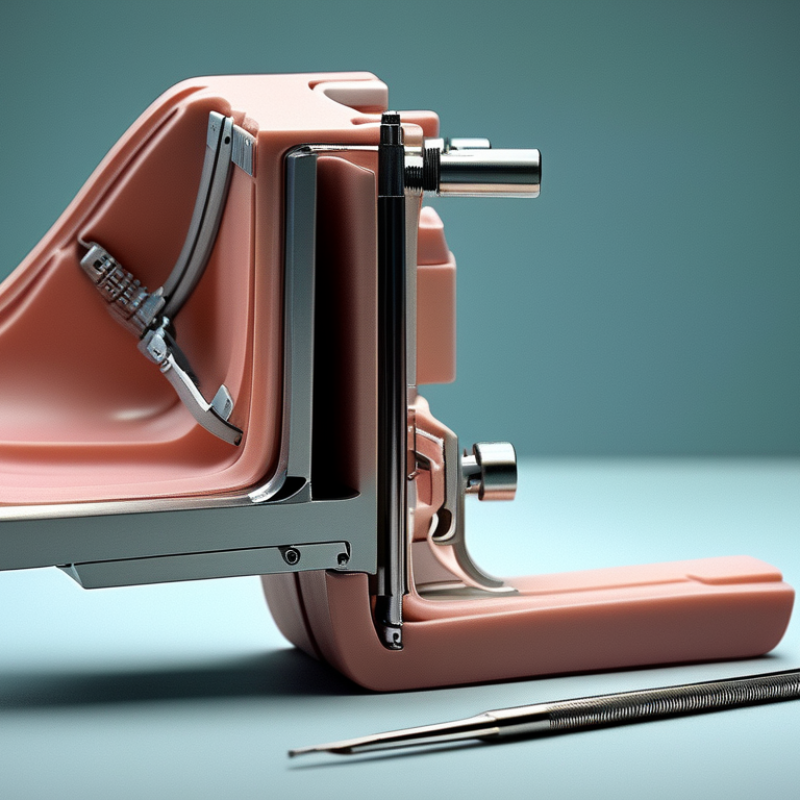
What Are Spine Retractors and What Types Are Available?

Define Spinal Retractors Against WHO’s 619M Low-Back-Pain Burden (2020)

Low back pain affected about 619 million people worldwide in 2020, according to the World Health Organization. The Global Burden of Disease analysis also projects nearly 843 million cases by 2050. These figures explain why spinal access tools deserve careful definition. A spinal retractor is a surgical instrument that gently holds muscles, tissue, or vertebral structures aside, creating a stable working corridor. It does not treat the underlying pain.

Different procedures require different designs. Handheld retractors depend on continuous assistance and allow quick repositioning. Self-retaining retractors maintain exposure with a locking frame, reducing the need for an extra hand. Tubular retractors support smaller posterior approaches and may reduce muscle disruption, although their narrow channels can limit visibility.

Anterior and lateral systems are shaped for access from the front or side of the spine. Posterior systems support access from the back.

Clinical teams assess blade shape, depth, radiolucency, pressure distribution, and compatibility with imaging. The International Society for the Advancement of Spine Surgery emphasizes approach-specific planning and tissue preservation in minimally invasive procedures. Still, “less invasive” does not mean risk-free. Poor placement can compress tissue, obstruct visualization, or increase fatigue during long cases. That detail is easy to underestimate. Retractor selection should therefore match anatomy, surgical approach, patient positioning, and the surgeon’s documented experience—not marketing language.

Classify Open, Tubular, Expandable, and Percutaneous Retractor Systems

What Are Spine Retractors and What Types Are Available?

Spine retractors hold muscles and soft tissue away from the surgical field. Their design affects visibility, tissue pressure, working angles, and access depth. Choosing one requires surgical experience, imaging review, and careful patient assessment.

Open retractor systems provide broad exposure through a larger incision. They suit procedures needing direct visualization and multiple instruments. Tubular retractors create a narrow working corridor through muscle. They may reduce muscle disruption, but limited angles can challenge instrument handling. Expandable retractors begin with a small profile and widen inside the body. This offers adjustable exposure, although excessive expansion may increase tissue pressure. Percutaneous systems use small skin openings and image guidance. They support targeted access, yet placement accuracy remains critical.

Tips: Match the retractor to the pathology, level, and planned instruments. Check the expansion range before surgery. Protect muscle edges with gradual placement. Confirm the corridor repeatedly with imaging when needed. A smaller incision is not automatically safer. Tissue tension, visibility, and surgeon control still matter. My practical view is cautious: retractor performance depends on anatomy and technique, not appearance alone. Even an efficient system can become unsuitable when anatomy changes unexpectedly. Reviewing positioning, pressure points, and instrument clearance during the procedure helps reduce avoidable problems.

What Are Spine Retractors and What Types Are Available?

Classification of open, tubular, expandable, and percutaneous retractor systems by their defining access and design features.

The chart uses categorical indicators: 1 means the feature is generally characteristic of the system type, while 0 means it is not a defining feature. Actual devices may combine features, and clinical selection depends on the procedure, anatomy, and surgical approach.

Compare Blade Width, Working Depth, and 18–22 mm MIS Corridors

What Are Spine Retractors and What Types Are Available?

Spine retractors hold soft tissue aside while creating a controlled path to the surgical target. Common designs include tubular systems, fixed-blade retractors, and expandable frames. Their value depends less on appearance than on fit, stability, and tissue pressure.

Blade width changes the balance between exposure and force. Narrow blades can suit limited access, but they may concentrate pressure on a small area. Wider blades distribute force better and can improve visualization, though they may require more muscle mobilization.

Working depth matters just as much. A shallow target may need shorter blades for control. Deeper anatomy often needs longer blades, but excessive length can reduce leverage and make positioning awkward.

Small corridor, big demands.

An 18–22 mm minimally invasive surgery corridor is frequently considered when access must remain limited. The measurement describes an approximate working passage, not a guaranteed safe space. Patient anatomy, target level, muscle thickness, and instrument angulation can change the practical corridor.

A 20 mm opening may feel generous in one case and restrictive in another. The numbers look precise, but they are not the whole story. In planning, surgeons should compare blade width with working depth, then confirm visibility, reach, and tissue loading through imaging and direct assessment.

A retractor that fits the corridor may still be poorly matched to the operation. That overlooked detail deserves more attention.

Match Retractor Designs to Anterior, Posterior, and Lateral Approaches

What Are Spine Retractors and What Types Are Available?

Spine retractors hold soft tissues away from the surgical corridor, improving visualization and instrument control. Their design must match the access route, patient anatomy, and operative level. No single retractor suits every procedure. That assumption can create avoidable pressure on muscles, nerves, or vessels.

For anterior approaches, surgeons commonly use slim, depth-adjustable blades. These help maintain a narrow pathway while protecting nearby abdominal or thoracic structures. Posterior approaches often require broader blades and stronger fixation. They must separate paraspinal muscles without excessive tension. Lateral approaches need compact, angled systems that fit between the ribs or through the flank. Blade placement should account for the psoas, lumbar plexus, and changing tissue resistance. Short blades can be deceptive. A stable frame is not enough if the angle restricts visualization.

Tips: Select the smallest blade that provides a clear working field. Confirm depth using preoperative imaging and direct inspection. Check tissue tension repeatedly during the procedure, especially after repositioning instruments. Experienced teams also assess whether the retractor is drifting or pressing against sensitive anatomy. Retraction is not a set-and-forget step. Design, placement, and timing all influence safety. In practice, even a well-chosen system may need adjustment when anatomy differs from imaging.

Evaluate Sterility, ISO 14971 Risks, and FDA Device Requirements

Spine retractors are surgical instruments that hold muscle and tissue away from the operative field.

Common types include handheld, fixed-frame, expandable, and table-mounted systems. Some are reusable after validated cleaning and sterilization. Others arrive sterile and are discarded after one procedure. The choice depends on exposure, anatomy, surgeon control, and the device’s intended use.

Sterility requires more than a sterile label.

Manufacturers should validate the sterilization process, packaging integrity, storage conditions, and shelf life.

A torn pouch, wet package, or damaged seal can change the risk assessment.

Reusable retractors require clear cleaning instructions and evidence that complex joints, grooves, and locking parts can be processed reliably.

A clean-looking tray is not proof of sterility.

ISO 14971 risk management should examine tissue pressure, nerve injury, excessive spreading force, breakage, retained components, corrosion, and contamination.

Usability matters too. A difficult locking mechanism may encourage unsafe force during surgery.

FDA device requirements depend on intended use, classification, technological characteristics, and marketing pathway.

Documentation may include design controls, verification, validation, labeling, biocompatibility, and manufacturing controls.

The applicable submission route cannot be assumed from the instrument’s appearance.

Risk files can still miss real operating conditions, especially when testing ignores cramped exposure, hurried handling, or repeated instrument processing.

That gap deserves honest review.

FAQS

: What is a spinal retractor?

: A spinal retractor holds muscles, tissue, or vertebral structures aside. It creates a stable surgical corridor. It does not cure back pain.

Why are different retractor designs needed?

Each spinal approach needs different access. Posterior systems support back access. Anterior and lateral systems support front or side access.

How do handheld and self-retaining retractors differ?

Handheld retractors need continuous assistance. They can be repositioned quickly. Self-retaining systems use a locking frame and reduce hand requirements.

What are tubular retractors used for?

Tubular retractors support smaller posterior approaches. Their narrow channels may reduce muscle disruption. Visibility can become limited.

What should guide retractor selection?

Selection should match anatomy, patient position, surgical approach, and documented experience. Blade depth and pressure distribution also matter.

Does a minimally invasive retractor eliminate surgical risk?

No. Poor placement may compress tissue or block visualization. Long procedures can also increase team fatigue. Less invasive does not mean risk-free.

How should sterility be assessed?

Sterility depends on validated processing, packaging, storage, and shelf life. A torn pouch or wet package needs careful review. A clean tray proves little.

What risks should device evaluation include?

Evaluation should consider tissue pressure, nerve injury, breakage, corrosion, contamination, and retained parts. Locking mechanisms also need usability testing.

What is important for reusable retractors?

Cleaning instructions must address joints, grooves, and locking components. Repeated processing can expose weaknesses. The assessment may still be incomplete.

Can regulatory requirements be assumed from appearance?

No. Requirements depend on intended use, classification, technology, and the chosen submission pathway. Appearance alone is not enough.

Conclusion

Spine Retractors are surgical instruments designed to gently hold back muscles and other tissues, creating a stable field of view and working space around the spine. Their importance is underscored by the global burden of low-back pain, estimated by the WHO at approximately 619 million cases in 2020. Common systems include open retractors for broad exposure, tubular retractors for focused access, expandable systems that enlarge the working channel after insertion, and percutaneous retractors intended for minimally invasive procedures. Key selection factors include blade width, working depth, visibility, tissue protection, and compatibility with 18–22 mm minimally invasive corridors.

The appropriate design depends on the surgical approach: anterior systems support access from the front, posterior systems facilitate midline or paraspinal exposure, and lateral systems create a pathway through the side of the body. Evaluation should also include secure fixation, atraumatic blade geometry, cleaning and sterilization capability, and reliable performance throughout the procedure. Manufacturers and healthcare facilities should assess foreseeable hazards under ISO 14971 principles and address applicable FDA device classification, documentation, labeling, and quality requirements.

Evelyn

Evelyn

Evelyn is a dedicated marketing professional with a strong understanding of the company’s products, services, and customer needs. With a background in market research, content strategy, and business communication, she transforms complex product information into clear, practical, and engaging......