Surgical Insights & Knowledge Base

Surgical Instruments & Medical Blog

Discover expert technical articles, manufacturing guides, instrument maintenance tips, and clinical updates from Warsi Surgical Industries.

0%

Choosing reliable surgical instruments is not a simple price comparison. Orthopedic Wire and Pin Cutters must deliver controlled cutting, clean handling, and dependable durability in demanding clinical environments. A cutter may look precise on a product page, yet its performance can change under repeated sterilization, heavy wire tension, or awkward surgical angles.

This guide reviews seven leading options for global buyers. It considers jaw design, cutting capacity, stainless steel quality, grip comfort, corrosion resistance, and maintenance requirements. It also examines whether each model suits common orthopedic wires and pins without encouraging misuse. Small details matter. A smooth hinge reduces hand fatigue. A firm handle improves control near the operating field. A protected cutting edge may help limit premature damage during routine use.

Procurement teams should also verify manufacturer documentation, traceability, warranty terms, and regional regulatory expectations. These points are easy to overlook. They should not be.

The “best” cutter depends on procedure, workload, staff preference, and local purchasing conditions. A compact instrument may suit occasional procedures, while a reinforced model may better support high-volume orthopedic practice. Still, no ranking can replace professional evaluation. Product specifications may be incomplete, and supplier claims deserve careful checking. This comparison aims to provide a practical starting point, not a substitute for institutional protocols, trained clinical judgment, or validated instrument testing. Global buyers should confirm compatibility before purchase. Safety comes before convenience.
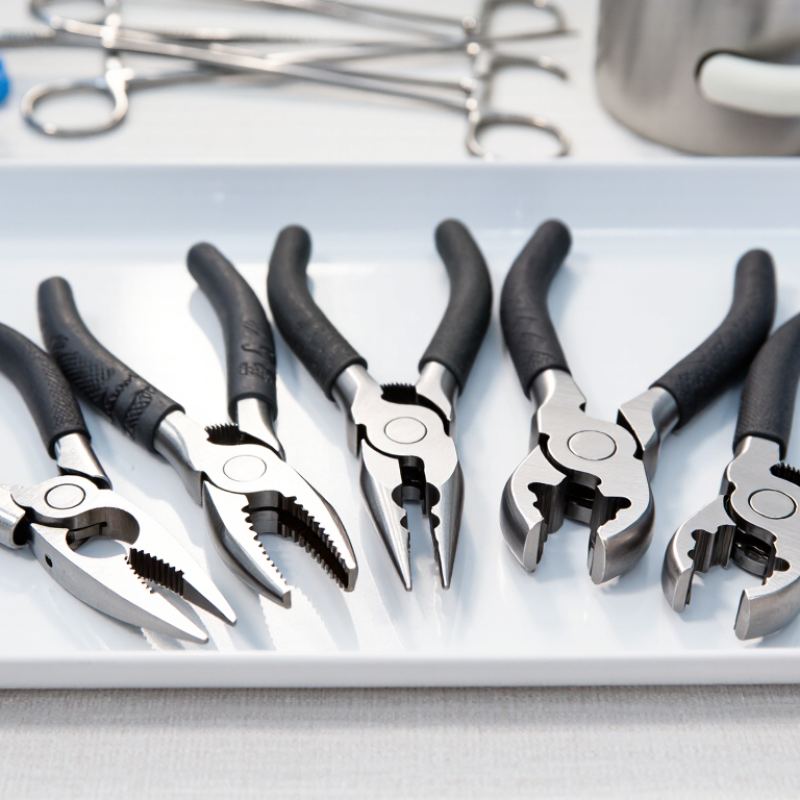
7 Best Orthopedic Wire and Pin Cutters for Global Buyers

What Orthopedic Wire and Pin Cutters Are and How They Work

What Orthopedic Wire and Pin Cutters Are and How They Work

Orthopedic wire and pin cutters are hand instruments for cutting fixation wires, Kirschner wires, and selected orthopedic pins. Their jaws use hardened steel and controlled leverage. The handles multiply hand force, while the cutting edges concentrate pressure on a narrow point. Some designs cut flush to bone. Others leave a safer, slightly raised end. Pin cutters usually have stronger jaws and longer handles than standard wire cutters.

The need is substantial. The World Health Organization’s Musculoskeletal Health report estimates that about 1.71 billion people live with musculoskeletal conditions worldwide. This figure does not measure cutter demand, but it shows the scale of orthopedic care. In practice, diameter, hardness, access angle, and fragment control matter more than appearance. A catalog photo cannot prove performance. No cutter suits every wire.

Tips: Confirm the approved wire and pin diameter before use. Check jaw alignment, hinge movement, and surface damage. Use eye protection because cut fragments can travel unexpectedly. Follow the instrument’s cleaning and sterilization instructions. Do not force a cutter beyond its stated capacity. That mistake can deform the jaws. Experience also teaches a quieter lesson: even a strong instrument may cut poorly when the wire is poorly positioned. Inspect the cut end and surrounding tissue carefully. WHO guidance supports safe, quality orthopedic care, but local hospital protocols and the manufacturer’s instructions must guide final selection.

Key Features for Comparing Orthopedic Wire and Pin Cutters

Comparing orthopedic wire and pin cutters requires more than checking maximum cutting diameter. Start with the wire sizes used in your operating rooms. A cutter should shear common stainless-steel wires cleanly, without crushing the end or leaving sharp fragments. Jaw alignment matters. So does visibility. A narrow, angled head can reach around plates and external fixation components more safely. Handle length affects mechanical advantage, but excessive length may reduce control in confined fields.

Material and reprocessing deserve equal attention. Look for corrosion-resistant surgical steel, smooth joints, and validated cleaning access. The World Health Organization reports that about one in ten patients experiences harm during healthcare, with many events considered preventable. That makes predictable handling and reliable sterilization practical safety features, not marketing language. Check whether the instrument tolerates the facility’s autoclave cycle, detergent, and drying process. Manufacturer claims alone are not enough.

Test before purchasing in realistic conditions. Cut the smallest and largest approved wires, then inspect the cut surface under magnification. Rough edges may damage gloves or complicate removal. The WHO Global Patient Safety Action Plan also stresses standardized processes and risk reduction. I would not assume the heaviest cutter is best. It may fatigue the user during repeated procedures. Measure grip force, jaw closure, balance, and maintenance time across several users. A small trial often reveals flaws that a catalog photograph hides. Sources: World Health Organization, Global Patient Safety Action Plan 2021–2030; World Health Organization, Global Surgery 2030 report.

7 Best Orthopedic Wire and Pin Cutters for Global Buyers - Key Features for Comparing Orthopedic Wire and Pin Cutters

Comparison Option Recommended Application Typical Cutting Capacity* Jaw Configuration Construction Handle and Ergonomics Sterilization Compatibility Safety and Maintenance Features Relative Strength Key Buying Consideration
1. Standard Wire Cutter Routine cutting of orthopedic cerclage wire, ligature wire, and small fixation wires. Up to approximately 1.2 mm stainless-steel wire Short, sharp cutting edges for direct access Medical-grade stainless steel Compact finger rings with balanced spring action Reusable; compatible with steam sterilization when permitted by the instrument instructions for use Rounded external surfaces; hinged joint should be cleaned and lubricated according to facility protocol ★★★☆☆ Best for general-purpose operating-room use where compact size and precise control are priorities.
2. Heavy-Duty Double-Action Wire Cutter Cutting thicker cerclage wire and high-tensile orthopedic wire with reduced hand force. Approximately 1.5–2.0 mm stainless-steel wire, depending on alloy and design Reinforced double-action jaws Hardened stainless steel with a reinforced pivot Longer handles for improved mechanical advantage Reusable; steam sterilization is commonly supported if specified by the manufacturer Double-action mechanism distributes load across the joint; inspect for jaw alignment before use ★★★★★ Choose when cutting force, durability, and reduced operator fatigue are more important than minimum instrument size.
3. Distal Flush Pin Cutter Cutting K-wires, Steinmann pins, and other fixation pins close to the bone or implant surface. Approximately 1.6–3.2 mm pins, depending on pin material and jaw geometry Flush-cutting jaws designed for close-to-surface trimming Stainless steel; some configurations use replaceable hardened cutting inserts Offset or angled handle design for improved visibility Reusable; verify whether inserts and the complete assembly are suitable for steam sterilization Protective jaw profile helps limit protruding wire ends; avoid cutting hardened materials outside the rated capacity ★★★★☆ Important for procedures where a low-profile cut and reduced soft-tissue irritation are required.
4. Long-Handle Pin Cutter Cutting larger orthopedic pins when greater leverage and access depth are needed. Approximately 2.5–4.0 mm pins, subject to material and tool design Heavy-duty end-cutting or side-cutting jaws High-strength stainless steel with a reinforced hinge Extended handles with textured, non-slip grip areas Reusable; cleaning and sterilization parameters must follow the instrument instructions for use Long handles increase leverage; use two-handed control when required by the operating technique ★★★★★ Suitable for larger pins and difficult access, but it requires adequate storage space and careful handling.
5. Carbide-Insert Wire Cutter Frequent cutting of stainless-steel wire where edge retention and repeated performance are important. Approximately 1.2–1.8 mm wire, depending on the insert design Precision jaws with tungsten-carbide cutting inserts Stainless-steel body with replaceable or fixed carbide inserts Ergonomic handles with a controlled closing action Often reusable and steam-sterilizable; confirm compatibility of inserts, coatings, and lubricants Carbide edges resist wear but can chip if used on oversized or excessively hardened wire ★★★★☆ Consider total cost of ownership, replacement-insert availability, and servicing support before purchase.
6. Angled Access Pin Cutter Cutting pins and wires in confined anatomical areas or around external-fixation components. Approximately 1.6–3.0 mm pins or wires, depending on the jaw angle Angled jaws, commonly 30°–90° relative to the handle axis Corrosion-resistant surgical stainless steel Ergonomic offset handles that improve line-of-sight and access Reusable; compatible with validated sterilization processes when stated in the instructions for use Angled design can reduce wrist bending; inspect the hinge for retained debris after cleaning ★★★★☆ Best selected according to the required approach angle, working depth, and visibility around the fixation site.
7. Compact Mini Wire and Pin Cutter Small orthopedic procedures, hand and foot surgery, outpatient kits, and instrument trays with limited space. Approximately 0.8–1.6 mm wire or small fixation pins Compact end-cutting or side-cutting jaws Lightweight stainless steel Short handles for portability and fine manual control Reusable; verify the approved cleaning, disinfection, and sterilization cycle Lightweight design improves portability; not intended for oversized or high-strength pins ★★★☆☆ Useful for mobile surgical teams and smaller procedures, provided the diameter rating matches the intended wire.

*Capacity note: Cutting capacity varies with wire or pin diameter, material hardness, jaw condition, cutting direction, and the specific instrument design. Global buyers should confirm the manufacturer’s instructions for use, cleaning requirements, sterilization validation, replacement-part availability, and applicable regulatory documentation before purchase.

Seven Notable Cutter Types for Different Clinical Procedures

Choosing among the seven best orthopedic wire and pin cutters requires matching jaw design with the procedure. Standard wire cutters suit routine stainless-steel cerclage wire. Flush cutters leave a shorter end near the bone, reducing snagging risks. Heavy-duty compound cutters provide greater leverage for thicker pins and harder alloys. They need careful handling.

Angled cutters improve visibility around joints, plates, and external fixation frames. Compact mini cutters support delicate work in confined surgical fields. Guarded cutters help control the cut fragment, which can otherwise spring across the sterile area. Tungsten-carbide insert cutters maintain sharpness during repeated use, but their inserts still require inspection. Small differences matter.

Experienced teams check wire diameter, material, access, and the required cut finish before selection. A cutter that feels strong may still create a rough edge. That edge can irritate tissue or catch gloves. I would not treat any model as universally suitable. Cleaning, sterilization, hinge lubrication, and jaw alignment must follow validated facility procedures and the instrument’s instructions. Operators should test movement before use and remove tools showing chips, looseness, or uneven cutting. Training remains essential, especially when cutting tensioned wires or pins. My own review of selection practices suggests one weakness: users often judge comfort first, while jaw geometry and maintenance deserve equal attention.

How Global Buyers Can Evaluate Quality, Safety, and Compliance

7 Best Orthopedic Wire and Pin Cutters for Global Buyers

How Global Buyers Can Evaluate Quality, Safety, and Compliance

Selecting orthopedic wire and pin cutters requires more than comparing prices. Inspect jaw alignment, handle movement, and cutting performance on the specified wire diameter. A clean cut should leave minimal burrs and avoid excessive hand force. Check the steel grade, surface hardness, corrosion resistance, and joint stability. A polished finish can mislead.

Ask for batch inspection records, material certificates, and documented cutting tests. Review whether the instrument tolerates the intended cleaning and sterilization cycles. Hinges should move smoothly without side play. Handles need secure grips, especially when gloves are wet. Small details matter. Request sample testing before placing a large order. One sample may pass while later batches vary.

Compliance documents should match the destination market and product classification. Depending on local rules, buyers may need technical files, risk-management evidence, quality-system certification, labeling, and traceability records. Confirm the manufacturer’s legal entity, lot identification, inspection date, and instructions for use. A certificate alone is not proof of reliable production. I would also compare repeated samples, because my first inspection can miss inconsistent jaw hardness or packaging damage. That weakness deserves attention. Keep written records for supplier discussions, incoming inspection, and user feedback.

Selection, Maintenance, and Purchasing Considerations for Medical Facilities

Selecting orthopedic wire and pin cutters requires more than comparing jaw length and price. The World Health Organization reports over two million medical device types worldwide, making clear specifications essential. For orthopedic use, buyers should verify cutting capacity, jaw geometry, grip comfort, corrosion resistance, and compatibility with commonly used wire diameters. A narrow jaw improves access around implants, while hardened cutting edges support cleaner cuts. Test samples matter.

Maintenance affects safety and service life. ISO 13485:2016 emphasizes controlled processes, traceability, and risk-based quality management for medical devices. Facilities should record inspection dates, cleaning methods, sterilization cycles, and observed damage. After each procedure, staff should check for misalignment, chipped edges, loose joints, and difficult movement. Do not force a dull cutter. It can deform wire and increase hand strain. Follow the instrument’s validated reprocessing instructions, not assumptions from similar tools.

Purchasing teams should compare total ownership cost, not unit price alone. A 2024 Grand View Research analysis projects continued growth in the global orthopedic devices market, increasing pressure on facilities to standardize procurement and control replacement costs. Request certificates, material information, warranty terms, spare-part availability, and documented quality controls. Local service access also matters. A low-cost cutter may become expensive when repairs, delayed procedures, or repeated replacements are included. My practical concern is simple: supplier claims often sound stronger than real operating evidence. Use trial evaluations, clinician feedback, and written acceptance criteria before approving a large order.

Orthopedic Wire and Pin Cutter Procurement Priorities

Illustrative procurement weighting for medical facilities. Cutting performance, jaw geometry, and validated reprocessing compatibility should be confirmed against the instrument’s instructions for use before purchase.

Maintenance essentials include point-of-use cleaning, inspection before every procedure, lubrication of hinged areas with an approved instrument lubricant, and sterilization using a validated cycle. Steam cycle temperature and exposure time must always follow the facility’s validated process and the manufacturer’s instructions.

FAQS

What should buyers compare first in an orthopedic wire and pin cutter?

Compare the wire diameters used in your operating rooms. Maximum capacity alone can mislead.

What does a clean cut look like?

The cut should have minimal burrs, crushing, or sharp fragments. Inspect it under magnification.

Why does jaw alignment matter?

Proper alignment supports cleaner cuts and reduces unnecessary hand force. Poor alignment may damage the wire.

How does the cutter head affect handling?

A narrow, angled head can improve access around plates and fixation components. Visibility still matters.

Is a longer handle always better?

No. Longer handles increase leverage but may reduce control in confined areas. Balance is important.

Which material and joint features deserve attention?

Look for corrosion-resistant surgical steel, smooth joints, stable hinges, and minimal side play. Polished surfaces can mislead.

How can buyers test a cutter before ordering?

Cut the smallest and largest approved wires. Then check the edges, grip force, jaw closure, balance, and user fatigue.

What reprocessing questions should buyers ask?

Confirm compatibility with the facility’s detergent, autoclave cycle, drying process, and cleaning access. One detail may be overlooked.

Which documents help assess quality and compliance?

Request material certificates, batch inspection records, cutting-test results, risk documents, labeling, and traceability records.

Why should buyers test several samples?

One sample may pass while later batches vary. Repeated checks can reveal inconsistent hardness or packaging damage.

Conclusion

Orthopedic Wire and Pin Cutters are specialized surgical instruments designed to cut orthopedic wires, pins, and fixation materials safely and efficiently during procedures. This article explains how different cutter mechanisms work and highlights the features that matter most when comparing them, including cutting capacity, jaw design, handle comfort, precision, durability, and compatibility with common surgical workflows. It also introduces seven notable cutter types suited to different clinical applications, from general wire trimming to procedures requiring improved access or controlled cutting performance.

For global buyers, selecting the right instrument requires careful evaluation of material quality, manufacturing consistency, surface finish, sterilization compatibility, safety features, and applicable medical-device compliance documentation. The article also outlines practical considerations for medical facilities, such as choosing sizes and configurations, establishing inspection and maintenance routines, preventing corrosion or mechanical damage, and assessing supplier reliability, packaging, lead times, and purchasing support. Together, these guidelines help healthcare organizations make informed decisions that balance clinical performance, user safety, long-term value, and regulatory responsibility.

Evelyn

Evelyn

Evelyn is a dedicated marketing professional with a strong understanding of the company’s products, services, and customer needs. With a background in market research, content strategy, and business communication, she transforms complex product information into clear, practical, and engaging......