Featured Plastic & Reconstruction Instrument Systems
Explore top-tier surgical kits, unilateral frames, and precision fracture fixation sets manufactured under ISO 13485 and CE compliance for hospital procurement.
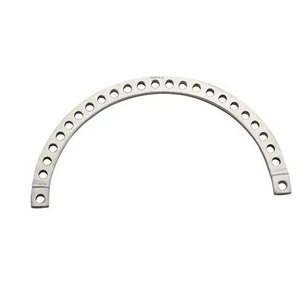
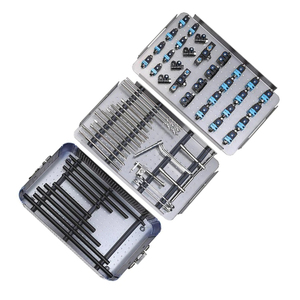
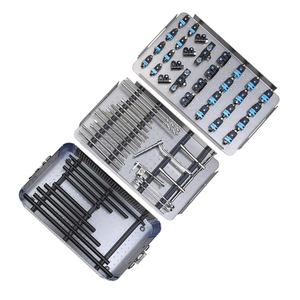
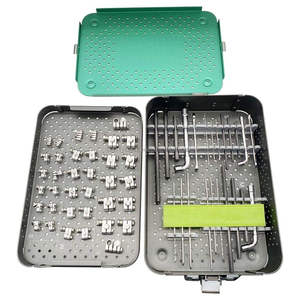
Executive Summary: The Strategic Benchmark of China Plastic Surgery Instrument Manufacturing
The global market for plastic, cosmetic, and micro-reconstructive surgery instruments has entered a transformative era. Modern surgical procedures require unprecedented mechanical precision, biocompatibility, micro-tactile feedback, and high fatigue resistance. For healthcare procurement directors, distributor networks, and OEM brand owners, navigating the ecosystem of China Plastic Surgery Instruments Set Factories & Suppliers requires a deep understanding of metallurgy, precision grinding engineering, surface passivation techniques, and regulatory compliance frameworks.
As premier Chinese surgical instrument manufacturers have scaled up technologically—upgrading from traditional drop-forging to 5-axis CNC machining, micro-EDM (Electrical Discharge Machining), laser-assisted welding, and automated vacuum heat treatment—China has transitioned into the dominant global hub for cost-effective yet premium-tier plastic surgery tool sets. This technical procurement guide evaluates the engineering benchmarks, material specifications, future technology shifts, and strategic supplier assessment parameters necessary for high-value B2B sourcing.
Metallurgical Standards & Engineering Quality Benchmarks
Plastic and reconstructive surgery demands tools that maintain razor-sharp cutting edges, offer zero jaw misalignment, and resist corrosion despite hundreds of autoclave sterilization cycles. Superior Chinese factories adhere strictly to global medical stainless steel standards.
| Material Classification | Standard Grade | Rockwell Hardness (HRC) | Primary Clinical Application | Key Metallurgical Advantage |
|---|---|---|---|---|
| Martensitic Stainless Steel | AISI 420 / 420C (1.4021 / 1.4034) | 50 - 56 HRC | Surgical Scissors, Osteotomes, Bone Cutters | High carbon content delivers supreme edge retention & wear resistance. |
| Austenitic Stainless Steel | AISI 316L (1.4404) | 20 - 25 HRC | Retractors, Suction Cannulas, Trays | Exceptional corrosion resistance, non-magnetic, superior ductile strength. |
| Tungsten Carbide (TC) Inlays | WC-Co Composite Inlays | 70 - 75 HRC | Needle Holders, Micro-Forceps Jaws | Gold-handle inserts offering 5x grip longevity over standard steel. |
| Titanium Alloy | Ti-6Al-4V Grade 5 | 36 - 42 HRC | Micro-Vascular Surgery, External Fixators | 45% lighter than steel, bio-inert, MRI-compatible, high flexibility. |
Vacuum Heat Treatment
Utilizing imported computer-controlled vacuum furnaces, Chinese factories perform precise quenching and tempering cycles. This process eliminates surface decarburization, ensuring uniform crystalline grain structures and preventing instrument brittleness under mechanical stress.
Micro-Passivation ASTM A967
Chemical passivation treatments remove free iron particles from the outer alloy layer, forming a continuous chromium oxide passivation film (Cr2O3). This ensures complete immunity against pitting corrosion and rust during aggressive chemical autoclave processing.
Ergonomic Balance & Micro Finish
Plastic surgery instruments feature anti-glare satin or matte electro-polished finishes. Tool handles are engineered with precise pivot weighting to diminish hand fatigue during multi-hour micro-vascular and facial reconstructive operations.
Anatomical & Specialized Plastic Surgery Instrument Sets
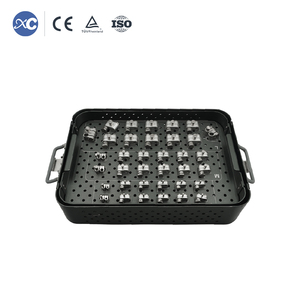
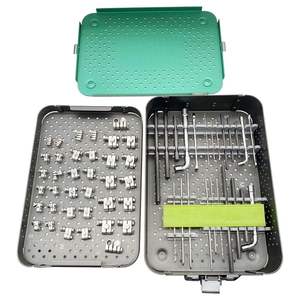
Leading Chinese OEM manufacturers supply specialized complete tool sets packaged in anodized aluminum or carbon-fiber sterilization trays. Below is a detailed breakdown of core instrument configurations produced by top China suppliers.
Rhinoplasty Precision Instrument Sets
Designed for delicate nasal cartilage reshaping, septal reconstruction, and osteotomy procedures.
- Rhinoplasty Chisels & Osteotomes: Guarded, straight, and curved configurations with tungsten carbide reinforced blades.
- Cartilage Rasps: Tungsten carbide coated diamond-cut rasps (Tebbetts, Fomon patterns) offering double-sided fine filing.
- Nasal Retractors & Elevators: Aufricht, Cottle, and Freer periosteal elevators with micro-beveled tips.
Blepharoplasty & Micro-Facial Kits
Engineered for high-precision eyelid surgery, facelift, and delicate periorbital soft tissue manipulation.
- Micro-Dissection Scissors: Iris and Stevens tenotomy scissors with super-cut micro-serrated blades.
- Micro Forceps: Castroviejo, Adson, and Bishop-Harmon forceps with 0.3mm–0.9mm tooth tips for trauma-free tissue holding.
- Tungsten Carbide Needle Holders: Castroviejo needle holders with smooth, ultra-fine ratchet mechanisms for 6-0 to 10-0 sutures.
Mammoplasty & Body Contouring Systems
Heavy-duty, long-reach instruments tailored for breast augmentation, reduction, and liposuction procedures.
- Fiberoptic Lighted Retractors: Tebbetts and Biggs fiberoptic retractors integrated with suction channels for clear cavity visualization.
- Liposuction Cannulas: High-grade SS316L multi-hole infiltration and harvesting cannulas with Luer-lock connector heads.
- Mammary Markers: Areola markers, flap cutters, and caliper gauges for exact symmetrical positioning.
Future Procurement Trends (2025–2030) in Surgical Instrumentation
Surgical device procurement is shifting from standalone component purchasing toward integrated, intelligent, and sustainable surgical solutions. When sourcing plastic surgery tool sets from Chinese factories, buyers must align with these strategic future trends:
1. Hybrid Materials & Carbon Fiber
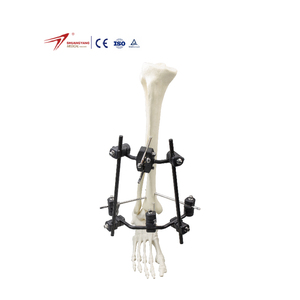
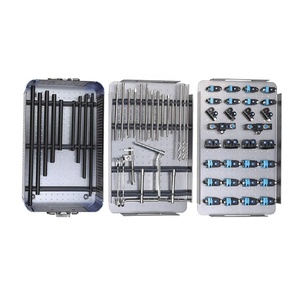
To reduce weight while enhancing structural rigidity, advanced external fixators and large-fragment orthopedic systems (as showcased in our 76pcs Carbon Fiber sets) utilize PEEK (Polyetheretherketone) and carbon fiber composite rods. Chinese suppliers lead in integrating radiolucent materials that allow intraoperative X-ray fluoroscopy without metal shadow artifacts.
2. Robotic & Microsurgical Compatibility
With the surge in robotic-assisted plastic surgery and micro-lymphatic surgeries, instrument tips require extreme dimensional tolerance (within ±0.01mm). Chinese factories are heavily investing in Swiss-type CNC automatic lathes and laser micro-welding stations to meet these exact requirements.
3. Smart RFID & UDI Laser Marking
Global regulatory authorities (US FDA UDI, EU MDR) enforce Unique Device Identification. Top Chinese suppliers now integrate fiber-laser 2D DataMatrix code engraving on every individual tool. This enables automated sterilization tracking, asset management, and usage-cycle accounting in hospital CSSDs.
Why Partner with China’s Leading Plastic Surgery Instrument Factories
Navigating direct OEM/ODM factory partnerships in China offers massive operational advantages for international medical suppliers, distributor brands, and private hospital networks.
In-House End-to-End Manufacturing
From raw forging bar stock selection to CNC milling, manual hand-crafting, micro-polishing, and ultrasonic cleaning, our vertically integrated factories ensure total quality control at every processing step without middleman markups.
Rigorous QA & Boil Testing
Every production batch undergoes strict quality assurance: 30-minute copper-sulfate boil tests to guarantee passivation integrity, optical comparator alignment checks for micro-jaws, and digital Rockwell hardness validation.
OEM Custom Tooling & Branding
We provide full OEM/ODM manufacturing support—converting client CAD drawings into physical prototypes within 14 days. Customized laser logo etching, private label packaging, and custom tray configurations are fully supported.
Frequently Asked Questions (B2B Procurement FAQ)
Key technical and commercial answers for hospital buyers, procurement managers, and medical device distributors.
1. What material grades are best suited for plastic surgery scissors versus micro-forceps?
Plastic surgery scissors (such as Super-Cut Iris or Stevens scissors) require AISI 420 or 420C martensitic stainless steel to achieve edge hardness of 50–56 HRC. Micro-forceps and fine tissue tweezers utilize AISI 304/316L for non-magnetic properties or Grade 5 Titanium Alloy (Ti-6Al-4V) to provide delicate tactile responsiveness and rust resistance.
2. How do Chinese factories guarantee corrosion resistance over hundreds of autoclave cycles?
Corrosion resistance is guaranteed through a rigorous multi-stage post-processing workflow: automated ultrasonic degreasing, chemical passivation adhering to ASTM A967 standards to build a uniform chromium oxide surface layer, followed by a mandatory 30-minute boiling water test (or copper sulfate bath test) to verify 100% absence of free iron particles.
3. Can Chinese suppliers provide customized instrument configurations and private label branding?
Yes. Leading manufacturers offer comprehensive OEM/ODM services. Clients can specify custom jaw patterns, handle lengths, tungsten carbide insert grids, fiberoptic light integration, custom anodized color-coded trays, and high-precision fiber laser etching for brand logos, catalog numbers, and UDI DataMatrix barcodes.
4. What certifications are required for importing surgical instrument sets into Europe and North America?
Importing surgical tools into regulated markets requires ISO 13485 (Medical Device Quality Management System), CE Marking under EU MDR 2017/745 for European countries, and US FDA 510(k) or Device Establishment Registration for North America. Top Chinese export suppliers maintain complete technical documentation and material traceability certificates.
5. What is the typical Minimum Order Quantity (MOQ) and production lead time for bulk orders?
Standard catalog instrument sets generally have a low MOQ of 5 to 10 sets (or 50 individual instruments). Custom OEM prototype samples require 10–14 days for development, while full bulk production runs typically take 25 to 35 days depending on heat-treatment scheduling and custom sterilization tray fabrication.
Request Direct Factory Quotations & Technical Specs
Looking for premium plastic surgery tool sets, custom external fixators, or reliable OEM production? Speak directly with our surgical engineering team today.