Featured Orthopedic & External Fixation Reamer Systems
Certified Surgical Instruments Direct from Premium Manufacturing Hubs
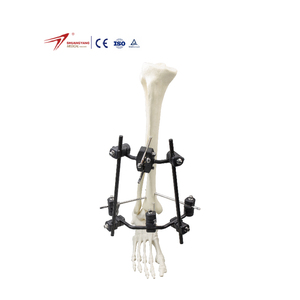
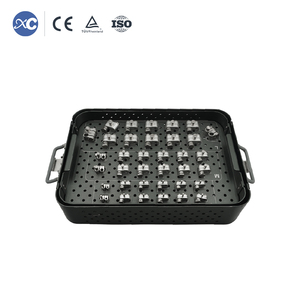
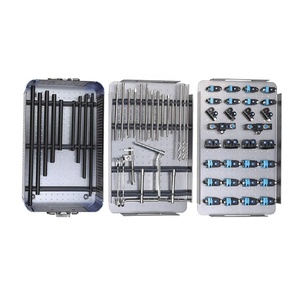
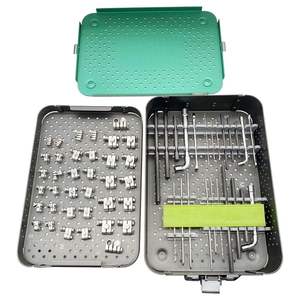
Engineering & Clinical Fundamentals of Orthopedic Bone Reamers
Understanding the mechanical, metallurgical, and biomechanical specifications required for high-performance intramedullary and acetabular reaming systems in trauma and reconstructive surgery.
Intramedullary Reaming Mechanics
Intramedullary reaming is a critical procedure in orthopedic trauma surgery, specifically for stabilizing long-bone fractures of the femur, tibia, and humerus. High-precision bone reamers cut through the medullary canal to enlarge the internal diameter, allowing for the insertion of targeted intramedullary nails (IMN). The cutting flutes must be geometrically engineered to optimize clearance, minimizing intramedullary pressure rises while suppressing thermal elevation to avoid osteonecrosis.
Metallurgical Composition (AISI 420/440B)
Professional China wholesale manufacturers utilize specialized surgical-grade stainless steel imported from global leaders in Japan and France. Martensitic stainless steels like AISI 420 and AISI 440B provide the ultimate synthesis of torsional strength, wear resistance, and high edge sharpness retention. Through controlled atmosphere vacuum heat treatment, reamers achieve a Rockwell C Hardness (HRC) of 48 to 54, preventing fluting dullness during high-torque bone penetration.
Cutting Flute Geometry & Thermal Control
Thermal necrosis occurs when cortical bone temperatures exceed 47°C for more than one minute. Advanced Chinese bone reamers feature optimized helical or straight flute clearance channels. This dynamic chip clearance geometry allows bone debris (autologous bone graft material) to transport backward smoothly without packing tightly, reducing frictional heat, torque spike resistance, and fat embolism syndrome risks.
Surgical Bone Reamer Classification & Engineering Parameters
Standardized manufacturing metrics for global hospital procurement and B2B OEM matching.
| Reamer Category | Primary Clinical Application | Available Head Diameters | Drive Shaft Type | Material Standard | Autoclave Cycle Life |
|---|---|---|---|---|---|
| Flexible Intramedullary Reamers | Femur & Tibial IMN Canal Preparation | 6.0 mm – 16.0 mm (0.5 mm steps) | Cannulated Flexible Shaft (AO / Hudson / Trinkle) | AISI 420 / Custom Nitinol Drive | > 500 Sterilization Cycles |
| Rigid Tapered Reamers | Proximal Femoral & Humeral Shaping | 8.0 mm – 18.0 mm | Solid Hex / AO Quick Coupling | Martensitic Stainless Steel 440C | > 800 Sterilization Cycles |
| Hemispherical Acetabular Reamers | Total Hip Arthroplasty (THA) Spherical Resection | 36 mm – 68 mm (1.0 mm steps) | Cross-Pin / Dual Slot Shaft Coupling | Biocompatible 316L / 420 Stainless Steel | > 600 Sterilization Cycles |
| Distal Femoral Resection Reamers | Total Knee Arthroplasty (TKA) Alignment | 9.0 mm – 15.0 mm | Rigid Cannulated Shaft | High-Cobalt Alloy Co-Cr-Mo / 420 SS | > 1,000 Sterilization Cycles |
| Veterinary Mini Bone Reamers | Small Animal & Equine Fracture Fixation | 2.0 mm – 5.5 mm (0.5 mm steps) | Mini Quick Coupling Drive | Japan Imported Stainless Steel | > 400 Sterilization Cycles |
Future Procurement Trends in Wholesale Orthopedic Reamers (2025-2030)
Strategic analysis for medical device importers, hospital buyers, and global distributors navigating supply chain evolution, technology adoption, and cost optimization.
1. Transition to Titanium Nitride (TiN) & Diamond-Like Carbon (DLC) Coatings
The demand for surface-engineered reamer bits is accelerating. Traditional raw stainless steel tools degrade after repeated autoclaving and bone resistance. Top China factories are adopting Physical Vapor Deposition (PVD) to apply Golden TiN and DLC coatings. These coatings increase surface micro-hardness to over 2000 HV, reduce friction by 40%, and prevent metallic debris shedding into the operative field.
2. Single-Use Sterile Kits vs. Reusable System Hybrid Models
Surgeons in Western Europe and North America are increasingly favoring pre-sterilized single-use disposable reamer heads to eliminate hospital cross-contamination risks and sterilization processing costs. Chinese exporters are setting up ISO Class 7 cleanrooms to package single-use reamer bits alongside high-durability reusable flexible shafts, optimizing both hospital CAPEX and OPEX budgets.
3. Smart Digital Torque-Feedback & Robotics Integration
With robotic-assisted orthopedic surgery expanding globally, bone reamer drive mechanisms are shifting toward quick-connect modular designs compatible with robotic surgical arms. OEM reamer factories in China are incorporating standardized drive ends that work seamlessly with digital power tools that monitor real-time bone density resistance and auto-adjust reaming speeds.
Precision Manufacturing & Quality Control Framework
How leading Chinese orthopedic exporters guarantee surgical perfection through state-of-the-art metalworking and ISO-level quality management.
Raw Material Sourcing
Direct importation of high-purity stainless steel round bars from Japan and France. Every batch undergoes ultrasonic flaw detection and chemical composition analysis.
5-Axis CNC Grinding
Computer-controlled 5-axis grinding centers carve complex cutting flutes and relief angles with micro-tolerances down to ±0.05 mm for flawless concentricity.
Vacuum Heat Treatment
Tool steel elements are hardened in imported computer-managed vacuum furnaces, reaching optimal HRC 48-54 hardness without surface decarburization.
Electro-Polishing & Passivation
24-hour chemical passivation treatment creates a chromium-oxide rich protective layer. Boiling tests guarantee 100% resistance against corrosion and pitting.
Why Direct China Factory Direct Procurement Maximizes B2B Value
Modern Chinese surgical instrument exporters have evolved from low-cost suppliers to global technological pioneers. By combining European metallurgical standards, Swiss 5-axis machining equipment, and skilled craftsmanship, Chinese factories produce bone reamers that match Western tier-1 brand performance at 40% to 60% lower unit procurement costs.
Furthermore, flexible OEM/ODM customization services allow medical distributors to specify custom shaft lengths, specialized quick-coupling drives (AO, Hudson, Synthes-compatible), laser-etched depth calibration markings, and custom brand logos with minimal lead times and responsive low Minimum Order Quantities (MOQs).
Frequently Asked Questions (FAQ) for B2B Importers
Essential technical and commercial answers for hospital buyers, orthopedic distributors, and OEM partners sourcing bone reamers from China.
Request Direct Factory Quotes & Product Catalogs Today
Partner with China's premier ISO 13485 certified orthopedic bone reamer factory. Get instant access to full technical specs, CAD/CAM customization support, and competitive B2B wholesale pricing.