Featured Surgical Suction Cannulas & Tubing Assemblies
Explore our clinical-grade suction instruments manufactured with surgical-grade AISI 316L/304 stainless steel and biocompatible polymers, engineered for high-vacuum fluid control and minimal tissue trauma.
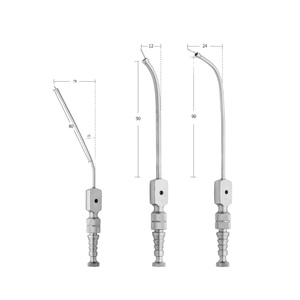
SHINVA Nasal Suction Tube ENT Ears Nose & Throat Instruments
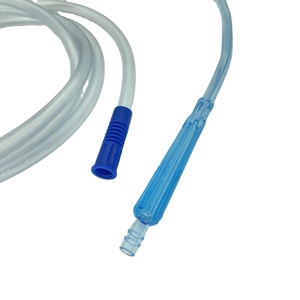
Disposable Soft Crown Plain Tip Yankauer Suction Tube Set
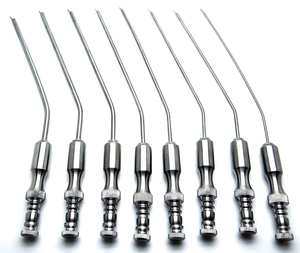
Reusable Stainless Steel Frazier Suction Tube Set with Handle
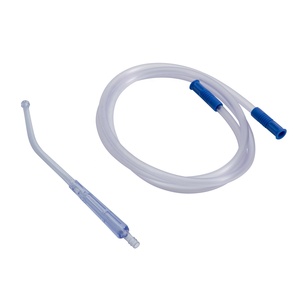
Medical Yankauer Suction Handle & Saliva Ejector Cannula Set
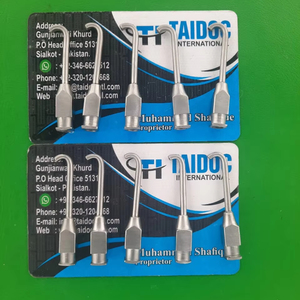
10 Pcs Stainless Steel Manual Sinus Cannula Suction Tube 4mm
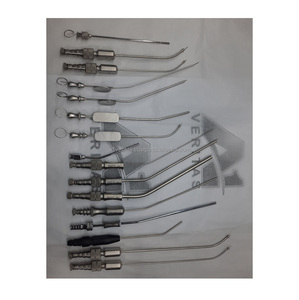
A-1 VERITAS Stainless Steel Disposable Suction Instrument Set
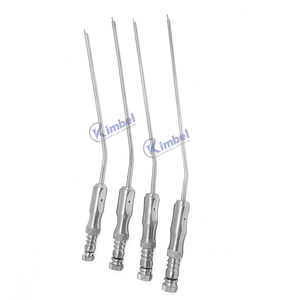
Frazier Surgical Irrigation & Suction Cannula CE Approved
Simcoe Eye Irrigation/Aspiration Cannula ENT Suction Instrument
Technical Architecture & Metallurgy of Surgical Suction Cannulas
An in-depth evaluation of fluid dynamics, lumen wall tolerances, metallurgical selection, and custom OEM manufacturing standards for modern surgical aspiration systems.
Fluid Dynamics & Micro-Lumen Calibration
In modern microsurgery—particularly neurosurgery, otolaryngology (ENT), and ophthalmic procedure—aspirating fluids without causing localized tissue cavitation or unwanted hemolysis is a primary mechanical requirement. Surgical suction cannulas must maintain laminar flow profiles across fluctuating negative pressure differentials (typically between -100 mmHg to -500 mmHg).
Our OEM design parameters optimize internal lumen smoothness to a surface roughness of Ra < 0.28 µm. This prevents blood micro-clots, bone debris, and lipid emulsions from adhering to the inner tubing wall. By precision-milling the bypass control vent (vacuum control hole), surgeons obtain tactile, millisecond-responsive manual regulation over intraoperative suction power.
Biocompatible Metallurgy & Material Standards
Raw material purity determines both structural resistance to bending deformation and long-term corrosion immunity during repeated chemical autoclaving (134°C at 2.1 bar). We source certified AISI 316L (UNS S31603) and AISI 304 (UNS S30400) stainless steel from Japanese and European mills.
For single-use disposable assemblies, high-rigidity medical PVC (DEHP-free or plasticizer-stabilized) and optical-grade polycarbonate (PC) Yankauer handles are molded in ISO Class 7 cleanrooms. Each batch undergoes rigorous biocompatibility validation per ISO 10993 (Cytotoxicity, Sensitization, and Systemic Toxicity).
Comprehensive Material & Performance Benchmark Matrix
Compare physical properties, sterilization endurance, and clinical suitability across primary cannula manufacturing materials.
| Material Specification | Tensile Strength (MPa) | Corrosion Resistance | Sterilization Compatibility | Primary Clinical Application |
|---|---|---|---|---|
| AISI 316L Stainless Steel | 580 – 680 MPa | Superior (Pitting Resistant) | Autoclave (134°C), EtO, Gamma | Neurosurgery, Spine, ENT Frazier Cannulas |
| AISI 304 Stainless Steel | 520 – 620 MPa | High (ASTM A967 Passivated) | Autoclave, Dry Heat, Chemclave | Sinus Cannulas, Rigid Irrigation Tubes |
| Medical Grade DEHP-Free PVC | 50 – 75 MPa (Flexible) | N/A (Single-Use Polymer) | Ethylene Oxide (EtO), Gamma 25 kGy | Disposable Suction Connecting Tubing |
| Rigid Polycarbonate (PC) | 65 – 80 MPa | High Chemical Resistance | EtO Sterilization Only | Transparent Yankauer Handles & Vent Tips |
Specialty-Specific Product Recommendations
Selecting the exact cannula geometry, working length, and tip profile according to surgical discipline enhances operative field visibility and procedural outcomes.
ENT & Rhinology
Recommended Models: Frazier Suction Tubes (6 Fr to 12 Fr), 4mm Sinus Suction Cannulas, SHINVA Nasal Tubes.
Engineering Nuances: Malleable shafts allow intraoperative hand-bending to navigate the ethmoid sinuses. Teardrop thumb vents provide instant atmospheric venting to stop localized mucosal suction lock.
Neurosurgery & Spine
Recommended Models: Micro-Frazier Suction Cannulas (3 Fr to 5 Fr) with Insulated Shafts.
Engineering Nuances: Working lengths up to 140mm for deep cranial approach. Non-reflective black polymer or micro-bead blasted finishes prevent glare under high-magnification surgical operating microscopes.
General & Oral Surgery
Recommended Models: Crown Tip Yankauer Handles, High-Flow Connecting Tubes, Dental Saliva Ejectors.
Engineering Nuances: Multi-orifice crown tip design distributes high volumetric suction force across side ports, eliminating soft tissue invagination and organ damage during abdominal lavage.
Future Procurement Trends in Surgical Suction (2025–2030)
Navigating global regulatory changes, micro-instrumentation demand, and hybrid single-use transitions in medical device supply chains.
Shift Toward Hybrid OEM Solutions
Hospitals are transitioning from standard reusable instruments toward hybrid systems featuring single-use disposable tips coupled with ergonomically weighted reusable stainless steel handles. This model drastically reduces hospital-acquired infection (HAI) risks while preserving tactile balance for surgeons and curbing bio-hazardous waste volume by over 40%.
Tightening EU MDR & FDA 510(k) Traceability
Regulatory bodies now mandate Unique Device Identification (UDI) laser-etched directly onto surgical cannulas down to 3 Fr outer diameters. B2B purchasers must verify that OEM manufacturers maintain complete heat-lot traceability, 100% passivation documentation (ASTM A967/A380), and ISO 13485 cleanroom packaging protocols.
Micro-Invasive Sub-Millimeter Cannulation
With the rise of endoscopic skull-base surgery and micro-vitreoretinal procedures, the global market is experiencing accelerated demand for custom-bent micro-cannulas with outer diameters reaching 18G through 26G. CNC laser micro-cutting and automated micro-deburring have replaced manual file finishing to ensure burr-free internal lumens.
Integrated Dual-Lumen Irrigation-Aspiration
Modern surgical suites increasingly request integrated coaxial dual-lumen designs (such as Simcoe eye cannulas) that deliver continuous saline irrigation simultaneously with fluid extraction. This maintains constant intraocular or endoscopic chamber pressure, drastically improving surgical security during delicate procedures.
Why Partner with Our Sialkot OEM Facility?
Combining 30+ years of artisanal craftsmanship with modern CNC automation, vacuum heat treatment, and direct factory export advantages.
Vacuum Heat Treatment
Our imported vacuum furnaces execute computer-controlled thermal hardening cycles, reaching optimal metallographic grain structure and hardness (HRC 42-48). This eliminates internal stress fractures and micro-cracking along cannula bends.
Custom OEM Laser Branding
We provide comprehensive private-label OEM manufacturing. Using Fiber Laser marking, we etch your specific brand logo, part numbers, UDI barcodes, and lot codes onto handles or cannula shafts without compromising corrosion resistance.
6-Month Guarantee & 100% Passivation
Every single instrument undergoes ultrasonic degreasing, nitric acid passivation (ASTM A967), and boil-test corrosion screening. We back our products with an unconditional 6-month quality return and replacement commitment.
Surgical Suction Cannula Procurement FAQs
Clear, expert answers regarding custom manufacturing capabilities, regulatory compliance, minimum order quantities, and quality assurance protocols.
Request Your Custom OEM Surgical Cannula Catalog
Partner with a trusted, ISO 13485-certified manufacturer. Access factory-direct wholesale pricing, OEM private branding, and precision-engineered surgical instruments tailored to your market specifications.