Precision Lumbar Discectomy Instrument Systems
Explore our ISO 13485 & CE-certified range of micro-lumbar discectomy retractors, uniportal endoscopic dilation tools, UBE training simulators, and manual spinal surgical instruments crafted from surgical-grade stainless steel.
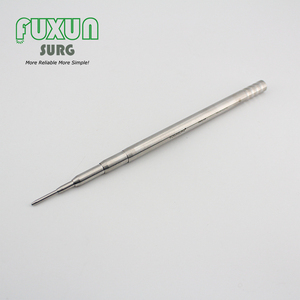
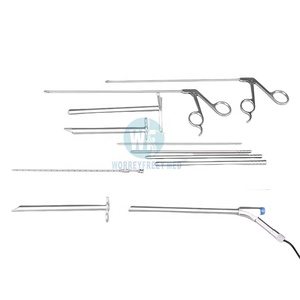
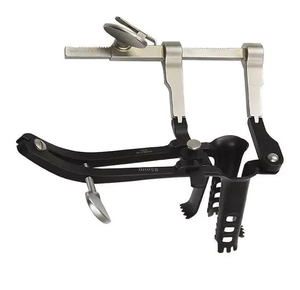
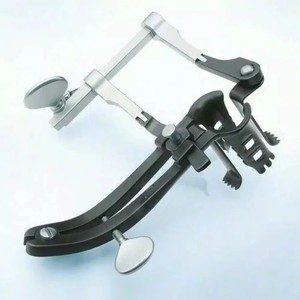
1. Executive Summary & Clinical Context: The Evolution of Lumbar Discectomy Instrumentation
Lumbar discectomy remains the gold standard surgical intervention for symptomatic lumbar disc herniation, radiculopathy, and nerve root compression resistant to conservative management. Over the past three decades, the surgical paradigm has evolved rapidly from open decompressive laminectomy to minimally invasive microdiscectomy (MMD), uniportal endoscopic discectomy, and Unilateral Biportal Endoscopy (UBE). This technological shift demands surgical instruments engineered with sub-millimeter precision, superior fatigue resistance, and non-reflective surface finishes suitable for high-magnification operating microscopes and 4K endoscopic cameras.
Key Insight for Hospital Procurement Teams: Precision in spinal surgery is directly proportional to instrument metallurgy and mechanical stability. A failure in blade retraction tension or jaw grip in nerve forceps can result in intraoperative dural tears or neural tissue compromise.
As global healthcare systems expand surgical volume while seeking cost efficiency, orthopedic and neurosurgical procurement managers are prioritizing tier-1 OEM manufacturers capable of supplying durable, reusable stainless steel sets that conform to ISO 13485, CE Medical Device Regulation (MDR 2017/745), and FDA guidelines. Warsi Surgical Industries stands at the forefront of this manufacturing ecosystem, combining traditional forging craftsmanship in Sialkot with modern CNC EDM Wire machining and computer-controlled vacuum heat treatment.
Anatomical Demands & Mechanical Engineering Considerations
During a micro lumbar discectomy (e.g., L4-L5 or L5-S1 levels), surgeons navigate dense paraspinous musculature, ligamentum flavum, and delicate epidural veins to access the sequestrated disc fragment. The instrumentation set must provide three structural capabilities:
A. Static Retraction Torque
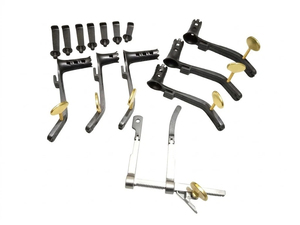
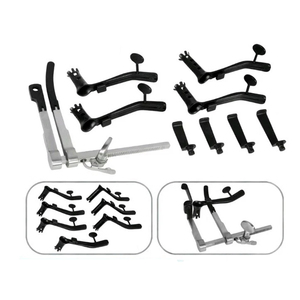
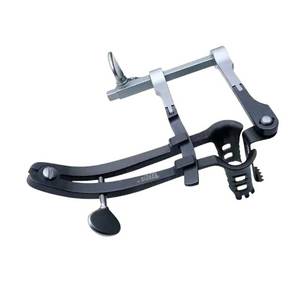
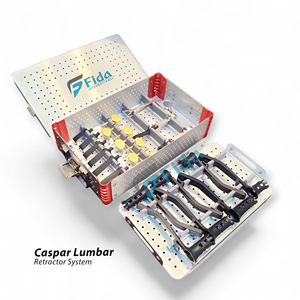
Speculum blades (such as the Caspar retractor system) must withstand significant lateral muscular resistance without slipping or bowing, preserving a crystal-clear micro-operative window.
B. Sub-Millimeter Bone Cutting
Kerrison Rongeurs and micro-punch forceps require ejector-pin mechanics and razor-sharp bite edges (1.0mm to 5.0mm) to cleanly excise flavum and osteophytes without tear displacement.
C. Non-Glare Ergonomics
Instruments used under surgical microscopes must feature anti-glare surfaces—such as black ceramic coating or satin electro-polishing—to eliminate blinding light reflection.
2. Technical Specifications & Material Science Matrix
Understanding raw material composition is vital for surgical equipment distributors and hospital purchasing committees. Warsi Surgical exclusively imports premium-grade stainless steel bars from Japan (SUS 420J2, SUS 630) and France (AISI 420B) to ensure optimal hardness, corrosion resistance, and elasticity.
| Instrument Category | Material Standard | Hardness (Rockwell C) | Surface Treatment | Sterilization Tolerance |
|---|---|---|---|---|
| Caspar Speculum Blades | AISI 304 / AISI 420 Stainless Steel | HRC 42 - 46 | Satin Matte / Black Oxide Coating | Autoclave safe (134°C / 273°F) |
| Kerrison Rongeurs & Punches | Japan SUS 420J2 / German Stainless | HRC 52 - 56 (Blade Jaws) | Titanium Nitride (TiN) / E-Polish | > 1,000 Autoclave cycles |
| Uniportal Dilation Sets (10mm) | Medical Grade Stainless Steel | HRC 40 - 44 | High-Precision Mirror Polish | Steam & Plasma Sterilization |
| Micro Discectomy Forceps / Curettes | AISI 420B / Custom Alloy | HRC 48 - 52 | Anti-Reflective Black Coating | Autoclave & Dry Heat Safe |
Metallurgical Heat Treatment & Passivation Integrity
Hardness alone does not guarantee surgical instrument performance; brittle steel snaps under lateral strain, while soft steel loses its cutting bite after initial procedures. At our Sialkot manufacturing plant, instruments undergo a computer-monitored vacuum heat treatment imported from England. This process alters the grain structure of the martensitic stainless steel to achieve an optimal balance of tenacity and shear strength.
Following machining, all instruments pass through a 24-hour chemical passivation treatment bath in accordance with ASTM A967 standards. This removes free iron particles from the instrument surface, generating an impenetrable chromium oxide passive layer that guarantees 100% rust-free performance, even when subjected to repeated high-temperature steam sterilization cycles.
3. Future Procurement & Technological Trends in Spinal Discectomy (2026–2030)
The global market for spinal surgery instruments is undergoing rapid transformations driven by technological advancements, minimally invasive techniques, and stringent regulatory demands. Procurement managers must align their purchasing strategies with the following four macro trends:
1. Rise of Unilateral Biportal Endoscopy (UBE)
UBE surgery utilizes two independent portals (one for optics, one for working instruments). Procurement is rapidly shifting toward specialized UBE instruments with 10mm dilation sleeves, flexible radiofrequency probes, and high-flow saline irrigation retractors.
2. Anti-Reflective Surface Coatings
With modern ORs adopting 4K Ultra-HD cameras and high-lumen LED surgical headlights, conventional shiny chrome instruments cause severe eye fatigue. Demand for black ceramic, dark PVD, and Titanium Nitride (TiN) non-glare coatings has increased by over 40% year-over-year.
3. Reusable-Sustainable Hybrid Purchasing
While single-use instruments create massive plastic waste, 100% reusable stainless steel tools with modular replaceability (such as interchangeable Caspar speculum blades) are winning green-hospital procurement tenders worldwide.
Strategic Sourcing Insight: Forward-thinking medical distributors are securing direct B2B OEM manufacturing relationships in manufacturing hubs like Sialkot to bypass multi-tiered regional markup costs while gaining custom laser-branding capabilities.
4. Frequently Asked Questions (FAQ) for Global Procurement & B2B Buyers
Here are detailed technical responses to the most critical inquiries raised by hospital supply directors, medical equipment importers, and surgical distributors.
5. Why Global Healthcare Supply Chains Partner with Warsi Surgical
Based in Sialkot, Pakistan—the world's premier cluster for high-grade surgical tool production—Warsi Surgical combines over 30 years of family-owned manufacturing legacy with modern quality assurance infrastructure. We export to over 18 countries, supplying public health centers, private orthopedic clinics, and established medical distributors across North America, Europe, and Asia.
100% In-House Production Line
From raw forging and CNC milling to vacuum heat treatment, polishing, and passivation, every manufacturing step is conducted under one roof for complete quality control.
Direct Manufacturer Pricing
By eliminating middleman brokers, we offer tier-1 medical quality at competitive direct-factory price points, maximizing procurement margins for our global partners.
Rapid CAD/CAM Prototyping
Our engineering team can turn custom surgical instrument sketches or digital 3D models into functional physical prototypes within 14 business days.
Global Logistics & Doorstep Delivery
With regional customer support offices in Pakistan, the Philippines, and the United States, we provide seamless customs documentation, international air freight, and reliable delivery.
Request a Bulk Quote or Custom Instrument Catalog Today
Partner with Pakistan's leading ISO-certified surgical manufacturer. Contact our B2B sales team to discuss wholesale pricing, custom OEM requirements, or sample evaluation sets for your market.