1. Executive Sourcing Overview: The Technical Fundamentals of Surgical Scalpel Handles
In modern clinical environments, the surgical scalpel remains the foundational instrument for tissue incision, dissection, and surgical access across orthopedics, neurosurgery, cardiovascular, plastic, and general operative specialties. While single-use disposable scalpels are often deployed in routine minor procedures, hospitals, central sterile supply departments (CSSD), and surgical centers worldwide rely predominantly on reusable, high-grade stainless steel Surgical Scalpel Handles paired with detachable sterile carbon steel or stainless steel blades.
Global procurement teams face a multifaceted challenge when sourcing Surgical Scalpel Handles in bulk. Beyond unit pricing, purchasing decisions must be governed by dimensional tolerance precision, corrosion resistance after hundreds of autoclave cycles, ergonomic tactile feedback, and structural integrity. A failure in handle-blade fitment standard compliance (such as ISO 7740 or BS 2982) can result in micro-play, blade slippage, or intraoperative lock failure—posing significant biohazard risks and compromised surgical precision.
At Warsi Surgical Industries, headquartered in Sialkot, Pakistan—the recognized capital of international surgical instrument manufacturing—we bring over 30 years of specialized forging, CNC milling, and metallurgical expertise to the manufacture of premium Surgical Scalpel Handles. Sourcing raw stainless steel directly from vetted steel mills in Japan and France, our production processes combine traditional craft precision with computerized CNC machining to guarantee zero-defect blade fitting and long-term mechanical reliability.
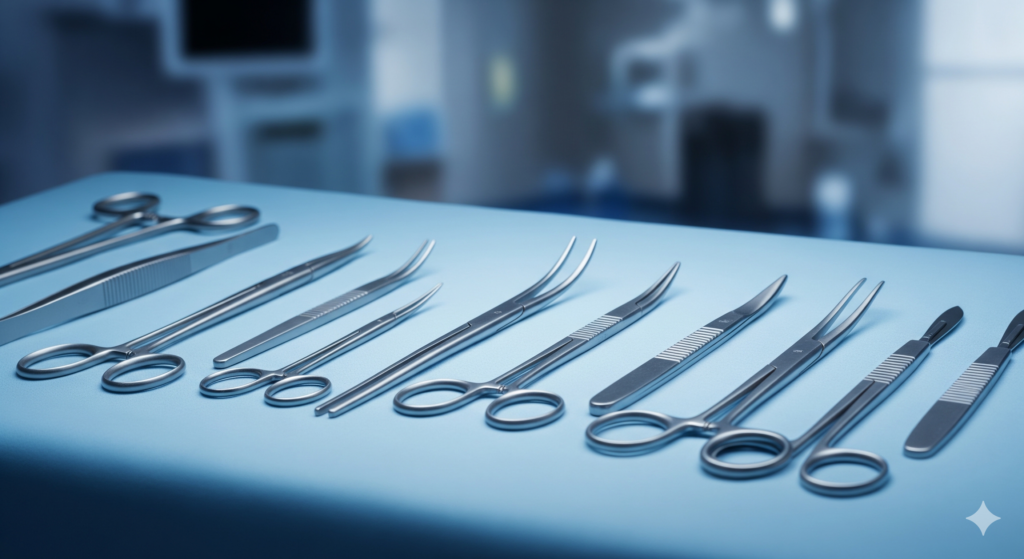
Figure 1: Warsi Surgical’s advanced CNC machining and manual finishing facility in Sialkot, dedicated to ISO-compliant surgical instrument manufacturing.
2. Technical Taxonomy & Blade Fitting Specifications (ISO 7740 Standard Compliance)
To establish seamless interoperability across surgical suites, Surgical Scalpel Handles are standardized according to fitting size, handle length, grip geometry, and blade receiver slot dimensions. Sourcing directors must verify that prospective suppliers produce handles strictly conforming to ISO 7740 (Instruments for surgery — Handles for scalpel blades — Fitting dimensions) and BS 2982 standards.
Surgical Scalpel Handles are fundamentally divided into two major fitting categories:
- Small Fitment Handles (No. 3 Fitting): Designed with a narrow rib (fitting slot) to accept standard small surgical blades ranging from #10 to #15C. These handles are primarily used for delicate, precise tissue dissection in general surgery, micro-surgery, plastic surgery, and pediatric operations.
- Large Fitment Handles (No. 4 Fitting): Engineerd with a wider, thicker mounting rib to secure heavy-duty large surgical blades ranging from #20 to #27. These are widely specified for deep abdominal incisions, orthopedic exposure, thoracotomy, and post-mortem procedures where higher mechanical torque and downward force are applied.
| Handle Type / Model | Standard Length | Fitment Slot ISO Class | Compatible Blade Series | Primary Clinical Specialty |
|---|---|---|---|---|
| Scalpel Handle No. 3 | 120 mm (4.75 in) | Small Fitment (ISO 7740) | #10, #11, #12, #12D, #14, #15, #15C | General Surgery, Dermatology, Plastic Surgery |
| Scalpel Handle No. 4 | 135 mm (5.30 in) | Large Fitment (ISO 7740) | #20, #21, #22, #23, #24, #25, #27 | Orthopedics, Trauma, Abdominal & Thoracic Surgery |
| Scalpel Handle No. 7 | 160 mm (6.25 in) | Small Fitment (ISO 7740) | #10, #11, #12, #15 | ENT, Ophthalmic, Maxillofacial, Micro-vascular |
| Scalpel Handle No. 9 | 115 mm (4.50 in) | Small Slim Fitment | #10, #11, #12, #15 | Plastic & Reconstructive, Ophthalmic, Micro-surgery |
| Scalpel Handle No. 3L (Long) | 210 mm (8.25 in) | Small Fitment (ISO 7740) | #10, #11, #15 | Deep Pelvic, Bariatric & Thoracic Deep Access |
| Scalpel Handle No. 4L (Long) | 215 mm (8.50 in) | Large Fitment (ISO 7740) | #20, #21, #22, #23, #24 | Spine Surgery, Orthopedic Deep Exposure |
| Scalpel Handle No. 3 Graduated | 120 mm (4.75 in) | Small Fitment (ISO 7740) | #10, #11, #15 | Pathology, Surgical Oncology, Metric Measurement |
Information Gain Insight: The Physics of Blade Engagement
Micro-vibration or axial play between the scalpel blade slot and handle lug leads to accelerated surgeon hand fatigue and reduces tactile cutting control. Warsi Surgical utilizes 5-axis wire EDM (Electrical Discharge Machining) to maintain a lug slot clearance tolerance of ±0.02 mm, ensuring a tactile "snap-click" locking mechanism that eliminates blade movement under lateral tension.
3. Material Metallurgy & Quality Passivation: Preventing Autoclave Degradation
One of the most frequent complaints from hospital central sterile processing personnel is premature pitting, spotting, or surface corrosion on scalpel handles after exposure to steam sterilization (autoclaving at 134°C / 2.1 bar pressure). This degradation stems directly from sub-standard raw steel selection or incomplete chemical passivation.
3.1 Grade Selection: AISI 420 vs. AISI 316L Stainless Steel
At Warsi Surgical, our metallurgical selection for Surgical Scalpel Handles is strictly standardized based on clinical usage demands:
- Martensitic Stainless Steel (AISI 420 / DIN 1.4021): Provides optimal tensile strength, high wear resistance, and high yield strength required to prevent bending or blade lug shear under heavy surgical leverage. Through vacuum heat treatment, we achieve a Rockwell Hardness rating of 42 to 48 HRC.
- Austenitic Stainless Steel (AISI 316L / DIN 1.4404): Preferred for specialized non-magnetic, corrosion-critical, or ultra-lightweight ergonomic scalpel handle lines used in specialized surgical environments.
3.2 Chemical Passivation and Boil Testing Standards
Every single batch of Surgical Scalpel Handles produced in our Sialkot factory undergoes a multi-stage chemical passivation process per ASTM F1083 / ISO 13408 standards. Following electro-polishing, the handles are immersed in controlled citric/nitric acid baths to strip free iron atoms from the alloy surface, forming an impenetrable, self-healing chromium oxide barrier ($Cr_2O_3$).
Our Quality Assurance lab validates corrosion resistance using two destructive spot tests:
- Water Boil Test (ISO 7153-1): Handles are boiled in distilled water for 30 minutes, then allowed to cool for 24 hours. Zero rust stains, water spots, or micro-pitting are permitted under 10x optical magnification.
- Copper Sulfate Test (ASTM A967): Handles are exposed to a copper sulfate solution for 6 minutes. Any copper plating indicates free surface iron and results in immediate batch rejection.
4. Flagship Product Recommendations for Global Healthcare Purchasing
When selecting Surgical Scalpel Handles for hospital tenders or distribution networks, purchasing teams should balance standardized high-volume units with specialized ergonomic models. Below are Warsi Surgical’s top recommended handle models for global procurement cataloging:
Classic Ergonomic No. 3 Handle
Featuring lateral knurled grooves for enhanced tactile friction, even when operating with wet surgical gloves. Universal fit for all #10-#15 blades.
- Material: Premium AISI 420 Stainless Steel
- Finish: Satin Anti-Glare Matte
- Sterilization: Fully Autoclavable (134°C)
Heavy-Duty No. 4 Orthopedic Handle
Thicker body profile and reinforced shaft engineered for heavy tissue dissection in orthopedic trauma, joint replacement, and spinal exposure.
- Material: Forged Japanese Stainless Steel
- Compatibility: #20, #22, #23, #24 Blades
- High Torque Resistance
Slim Pen-Grip No. 7 Handle
Slender, contoured profile designed for pencil-style holding. Provides superior line-of-sight visibility in narrow surgical cavities (ENT, Ophthalmic, Maxillofacial).
- Length: Extended 160 mm Reach
- Balance: Precision Center-Weighted
- Micro-blade Compatibility
Deep Cavity No. 3L & 4L Extended Handles
210mm to 215mm extra-long shafts engineered specifically for bariatric, deep pelvic, and posterior spinal surgery access without hand obstruction.
- Reach: 215 mm Shaft Length
- Zero Shaft Flexion Under Pressure
- Ideal for Deep Suture & Tissue Cut
5. Global Procurement & Manufacturing Trends in Surgical Cutters (2025–2030)
As healthcare systems face increasing budget scrutiny, stringent infection prevention protocols, and environmental sustainability mandates, the market dynamics surrounding Surgical Scalpel Handles are rapidly evolving. Procurement directors must anticipate these shifts to optimize long-term inventory strategy:
Trend 1: The Transition back to High-Grade Reusables from Single-Use Plastics
While disposable plastic scalpels gained market share due to needle-stick safety mandates in early 2000s, environmental life-cycle assessments (LCA) and medical waste disposal costs have triggered a massive reversal. Leading hospital groups in North America and Western Europe are actively transitioning back to reusable stainless steel handles combined with dedicated safety blade removal boxes. High-durability stainless scalpels generate up to 88% lower carbon footprint per 1,000 surgical cases compared to disposable plastic equivalents.
Trend 2: Anti-Glare Satin & PVD Black Coatings for High-Intensity OR Lighting
Modern operating rooms equipped with 100,000 Lux LED surgical lights and 4K/3D endoscopic camera systems require surgical instruments with minimal light reflectance. High-gloss polished scalpel handles create severe visual glare that impairs surgeon vision. The market is shifting heavily toward non-reflective satin/matte finishes and ultra-durable Titanium Nitride (TiN) or Physical Vapor Deposition (PVD) dark grey coatings that enhance surface hardness up to HV 2200 while eliminating specular reflection.
Trend 3: RFID & Barcode Instrument Tracking Integration
Central Sterile Supply Departments (CSSD) are increasingly demanding surgical instruments with integrated laser-etched Data Matrix barcodes (ECC 200 standard) or micro-RFID chips embedded in the handle handle end. This enables automated instrument counts, sterilizer cycle logging, and asset tracking to prevent retained surgical items (RSI) and optimize set tray assembly.
Trend 4: OSHA & EU Sharps Directive Safety Compliance Mechanisms
Occupational safety directives (such as OSHA Bloodborne Pathogens Standard 29 CFR 1910.1030 and EU Directive 2010/32/EU) continue to drive adoption of safety scalpel handles featuring integrated sliding protective shields or push-button quick-release blade ejectors. OEM manufacturers capable of producing custom ergonomic safety mechanisms present strong growth opportunities for international medical distributors.
6. Why Warsi Surgical is the Preferred OEM Manufacturer for Global Brands
For over three decades, Warsi Surgical Industries has maintained a trusted position as a primary original equipment manufacturer (OEM) and direct factory supplier for prestigious medical brands, hospital supply distributors, and surgical importers across 18+ countries including the USA, Philippines, Malaysia, Indonesia, Germany, and the UK.
100% In-House Production Line
We control every step of production under one roof in Sialkot—from hot drop forging and 5-axis CNC milling to vacuum heat treatment, electro-polishing, laser marking, and final cleanroom packaging. No sub-contracting risk.
Rigorous ISO & CE Quality Audit
Operating under ISO 9001 and ISO 13485 quality management systems, every scalpel handle undergoes 100% dimensional testing, boil testing, and visual inspection before dispatch. Backed by our 6-Month Replacement Guarantee.
Custom OEM Laser Etching & Packaging
We provide turnkey private-label solutions, including high-precision fiber laser etching of distributor logos, catalog part numbers, UDI barcodes, and custom blister tray packaging tailored to your brand standards.
Whether you require standard bulk packaging of No. 3 and No. 4 handles for national health authority tenders or custom-designed ergonomic scalpels for specialized surgical kits, Warsi Surgical provides factory-direct wholesale pricing, low minimum order quantities (MOQs), and flexible international shipping solutions (air freight, sea freight, and express courier logistics).
7. Frequently Asked Questions (FAQ) — Global Surgical Scalpel Handle Procurement
Below are authoritative answers to the most common technical, metallurgical, and commercial questions asked by international B2B buyers when procuring Surgical Scalpel Handles:
The core difference lies in the fitting slot dimensions (ISO 7740 specification). A No. 3 Scalpel Handle features a smaller mounting lug engineered to fit small blades (#10, #11, #12, #15), making it suitable for delicate, precise tissue incision. A No. 4 Scalpel Handle features a wider, thicker mounting lug designed to fit larger blades (#20, #21, #22, #23, #24, #25) used for heavy tissue dissection in orthopedic, abdominal, and thoracic procedures.
We primarily utilize martensitic AISI 420 stainless steel imported from established mills in Japan and France. This alloy provides an exceptional balance of mechanical strength, hardness (42-48 HRC), and rust resistance required for continuous autoclave reprocessing. Austenitic AISI 316L stainless steel is also available upon request for specialized non-magnetic applications.
Our fitting lugs are precision-machined using computerized 5-axis CNC milling and wire-cut EDM systems. We maintain a tight lug dimensional tolerance within ±0.02 mm, strictly adhering to ISO 7740 standards. Every production lot is test-fitted with standard disposable blades to guarantee a secure, tactile snap-lock engagement with absolute zero micro-play.
Yes. As an established OEM manufacturer, we offer full OEM/ODM customization. This includes custom handle lengths, specialized knurled handle patterns, metric graduation laser etching, non-reflective PVD coatings, and permanent fiber laser etching of your brand logo, company name, catalog reference numbers, or Data Matrix UDI barcodes.
All handles undergo chemical passivation per ASTM F1083 / ISO 13408 standards to form a dense protective passive oxide layer. Every production batch is subjected to a 30-minute water boil test (ISO 7153-1) and a copper sulfate dip test (ASTM A967). Only batches exhibiting zero surface corrosion, pitting, or discoloration are approved for final packaging.
Our standard MOQ for stock scalpel handle models is 50 to 100 units per item, while custom OEM/private-label orders typically start at 500 units. Standard production lead time is 2 to 4 weeks depending on order volume and custom laser etching requirements. Expedited air shipping is available for urgent hospital inventory demands.
Warsi Surgical backs all surgical instruments with a comprehensive 6-Month Return & Replacement Warranty. If any product exhibits material flaws, fitment defects, or unexpected surface degradation under standard clinical reprocessing within 6 months of delivery, we replace the affected items free of charge—no complex disputes.
8. Summary & Direct Procurement Consultation
Procuring surgical scalpel handles demands absolute confidence in material purity, dimensional tolerance, and sterilizer compatibility. Warsi Surgical combines Pakistan's rich surgical craftsmanship tradition with modern CNC technology and strict ISO compliance to deliver exceptional value to medical distributors and hospital networks worldwide.
Request Your Wholesale Quotation & Sample Kit
Connect directly with our engineering and export sales department to discuss bulk pricing, OEM specifications, or request physical sample units for clinical evaluation.